During the last 2 months, I have been able to experience the wonderful lifestyle on the beautiful island of Tenerife in the Canary Islands, Spain. For my Latitudes semester, I chose to do my internship with Biosean, where they focus on whale watching and marine biology.
Daily life during my internship with Biosean
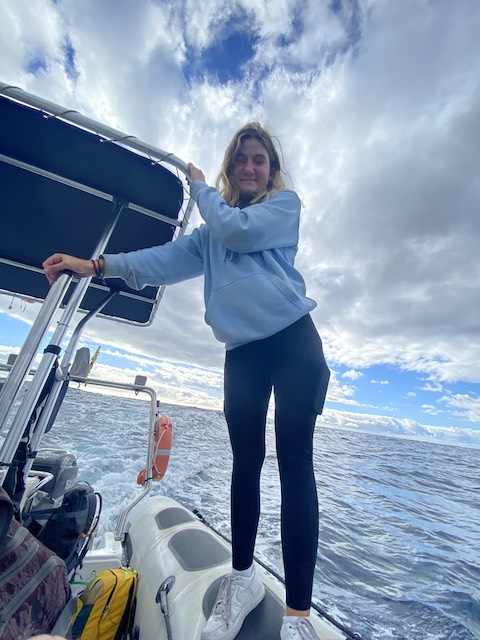
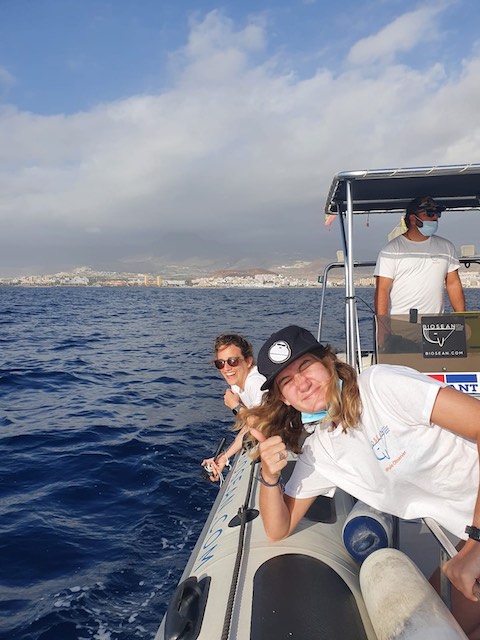
Almost every day, we interns were on the boat helping to collect scientific data and guide whale watching tours. Data collection focused on studying the behaviors and habitat use of cetaceans in the area, as well as the human impact of vessel traffic in the marine protected area. On almost every trip out to sea, we saw animals. The most common species we encountered was the short-finned pilot whale (Globicephala macrorhynchus). It is a resident species in the Canary Islands, with a very significant population in the south of Tenerife. I have also seen Atlantic spotted dolphins (Stenella frontalis), which approach and swim right next to the boat, jumping beside you and even splashing you with water at times. I have also seen many common bottlenose dolphins (Tursiops truncatus), which is the other resident species in southern Tenerife. I was lucky enough to see on numerous occasions a large migratory species: the Bryde’s whale (Balaenoptera edeni).
One day we decided to go out despite the strong wind and huge swells, but we were very lucky because we found the Bryde’s whales surfing in the waves. Our 8-meter-long semi-rigid boat (Zodiac) was surrounded by four 16-meter whales playing in the waves around us. During this tour, one of the whales swam right under our boat, and the water was clear enough to see it swimming beneath us. It was one of the most incredible days I had on this island.
A focus on marine conservation
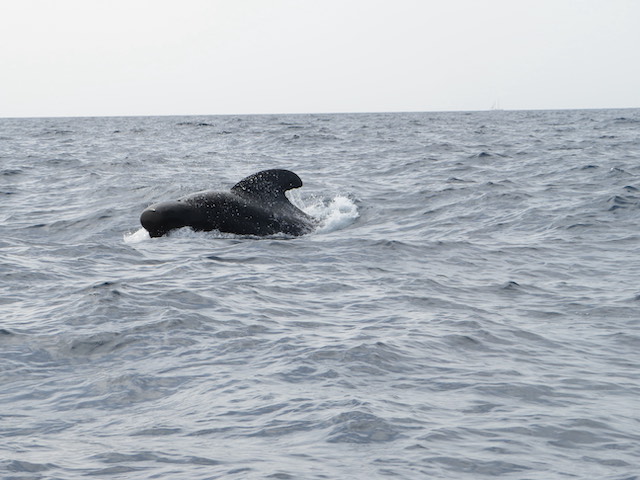 The tours also focused on conservation and marine environment outreach with tourists on board, where we always did our best to collect plastics and other debris found during the trips. We also focused on respecting the distance between us and any animal (respectful watching). Surprisingly, when animals are not threatened, they are very curious about the boat and decide to approach it. During the tours, we also used a hydrophone to listen to the animals’ echolocation and whistles. As an intern, I had responsibilities on board: helping to guide the tours with tourists, collecting scientific data, and entering that data into Excel spreadsheets.
Other multicultural activities
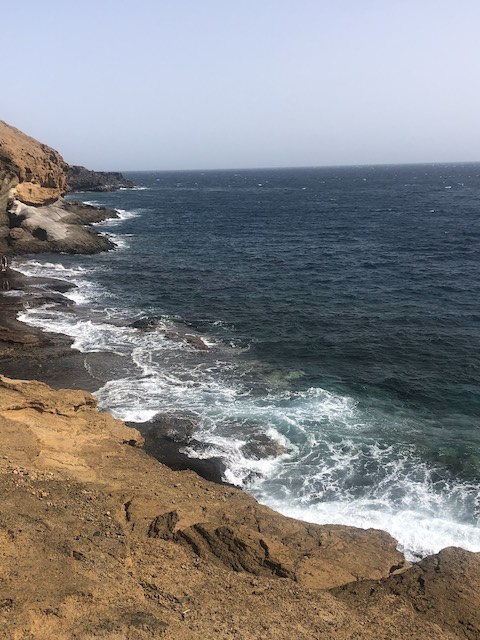
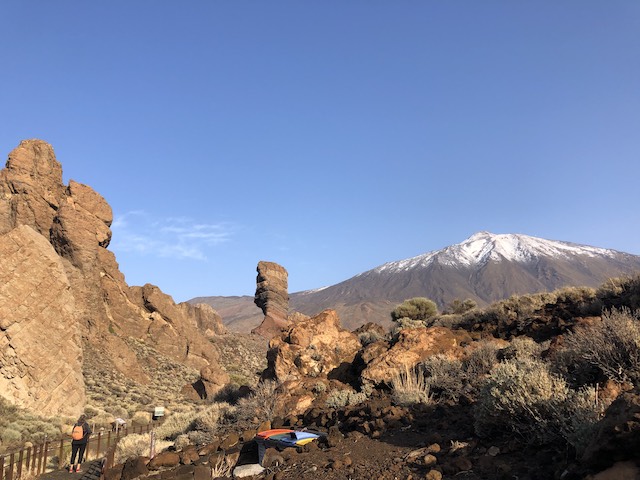
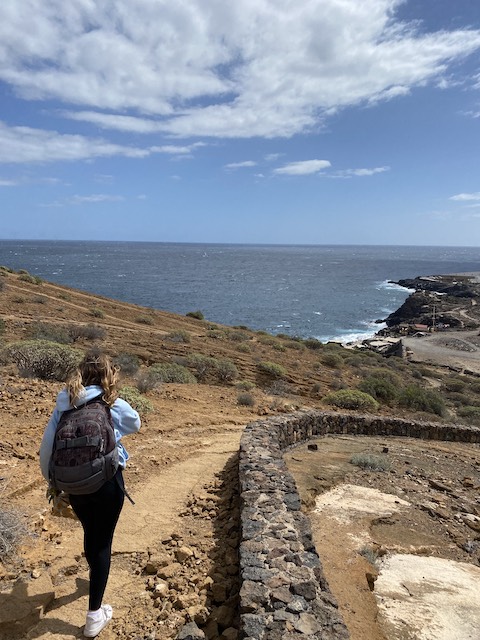
Estas prácticas profesionales también estuvieron plagadas de otras oportunidades increíbles, no solo de observación de cetáceos. Tuve también la oportunidad de bucear varias veces, hacer senderismo en el Teide, que es la montaña más alta de España, surfear, hacer snorkel, visitar piscinas naturales y explorar diferentes ciudades alrededor de la isla.
Durante mi estancia en Tenerife compartí piso con otras 3 chicas. Eran de Suecia, Italia y Alemania. Pasamos muchas noches aprendiendo sobre las culturas de los demás. También trabajé con otros pasantes de Bélgica, Francia y Argentina. Fue una experiencia increíble estar rodeado de gente de todo el mundo. Aprendí mucho de las diferentes culturas de todos.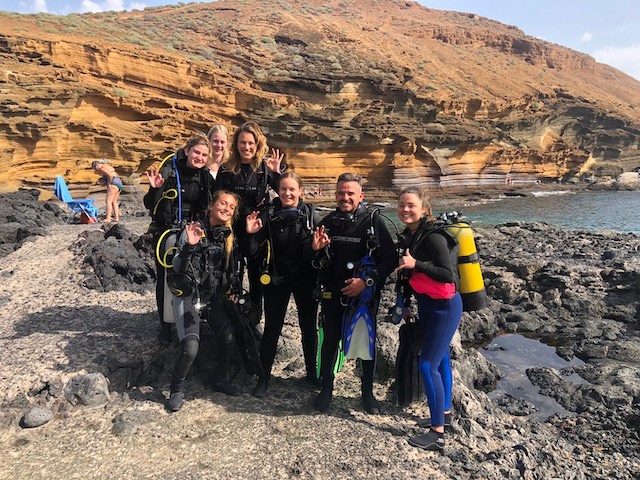
Mis pasantías con Biosean: Una experiencia completa
 Esta pasantía también me permitió tener mi primera experiencia real siendo completamente independiente. Rápidamente tuve que adaptarme a vivir sola, cocinar para mí misma, ir de compras y explorar nuevos lugares por mi cuenta. Fue la situación perfecta para sentirme segura de mí misma antes de comenzar la universidad en otoño. Me he enamorado completamente de la isla de Tenerife y espero algún día poder volver a visitarla.
Si deseas experimentar las maravillas de Tenerife, la biología marina y la industria de observación de cetáceos no dudes en contactar con Biosean, aquí os dejo algunos enlaces:
Email | web | Instagram | Facebook | LinkedIn | Twitter.
¡¡¡Nos vemos!!!