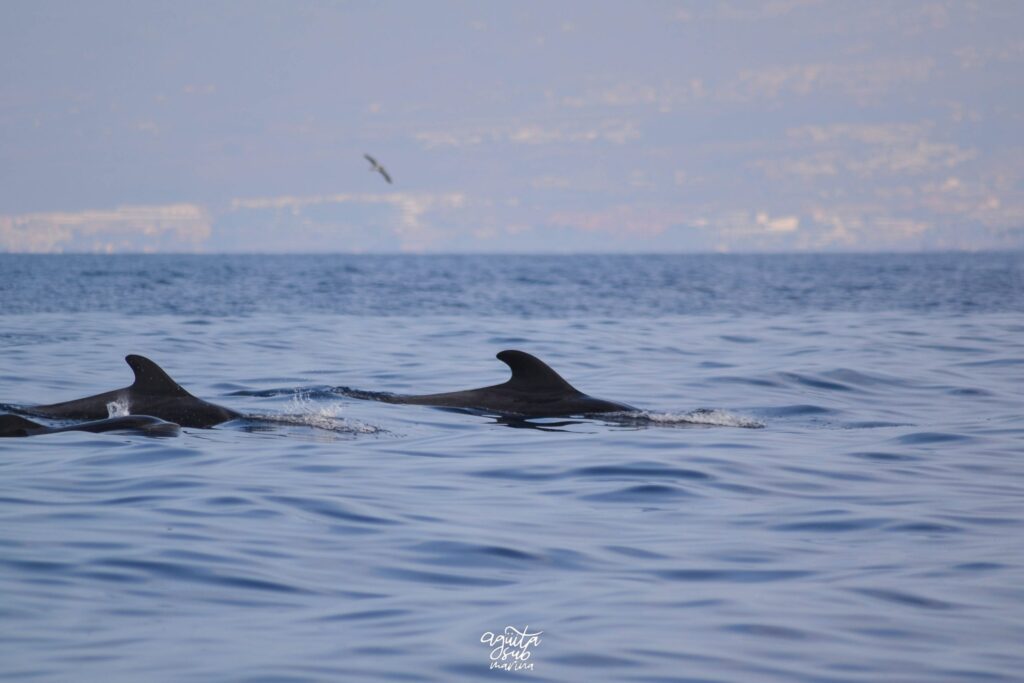
The short-finned pilot whale, a treasure in Canarian waters
By Marina Tortosa (@marinatortosa27 / @aguitasubmarina)
The short-finned pilot whale, also known as the short-finned pilot whale or pilot whale, scientifically known as Globichepala macrorhynchus, is the most common cetacean in the Canary Islands. In the waters surrounding southwest Tenerife and the west of La Gomera, it is easy to spot a dark silhouette resting in the water near the coast. The more than 400 photo-identified individuals that inhabit the waters of southern Tenerife make up one of the few resident populations of short-finned pilot whales in the world. Today we continue learning about them on each of our trips, and despite being such a common species on the island, they still keep many secrets we do not yet know. Would you like to know more about these incredible cetaceans?
Keep reading!
A true Canarian gem
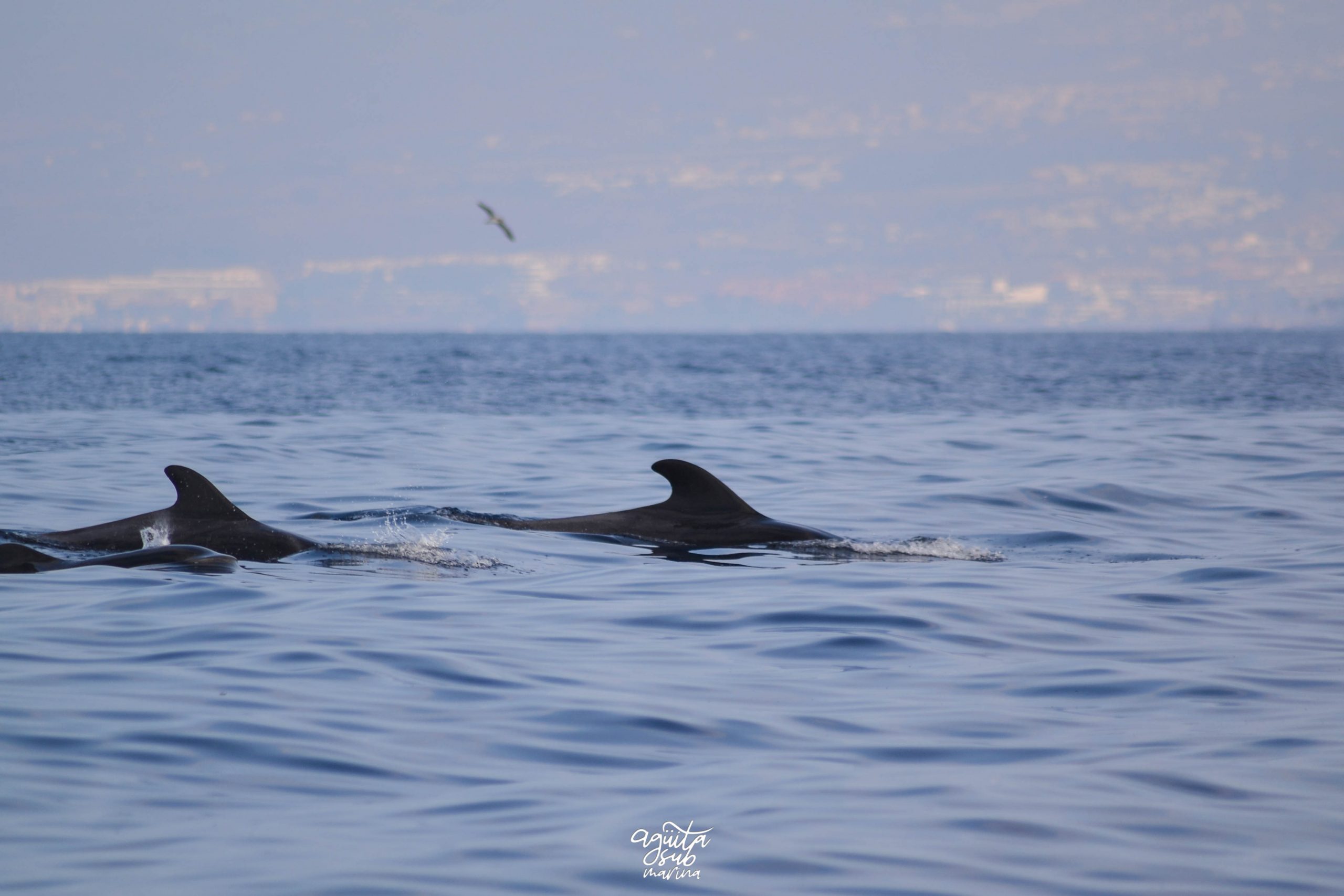
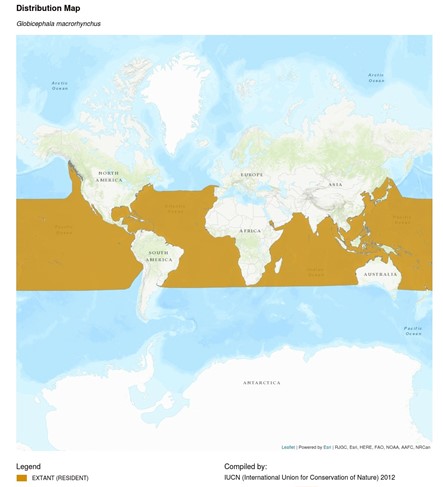
The short-finned pilot whale is undoubtedly the cetacean species we observe most frequently on our tours. They are found on the leeward side of practically all the islands, with an estimated population of up to 2,000 individuals. Above all, the stable and resident population in southwest Tenerife stands out, one of the largest in the world, along with those resident in California, Japan and Hawaii. In Tenerife, more than 400 flukes have been photo-identified from different individuals, which represents a unique and highly representative population worldwide.
From the ocean floor to the summit of Teide, Tenerife is the third-highest volcanic island in the world, with a total elevation of 6 kilometres (more than 2 km underwater and almost 4 km on land). Its steep topography and great depth near the coast make this island perfect for short-finned pilot whales, which can live and dive to 1,200 metres to find their favourite prey. These great cetaceans prefer warm waters, so globally they are also found in tropical and subtropical areas. The long-finned pilot whale (Globicephala melas) is more inclined towards temperate, subarctic and subantarctic waters.
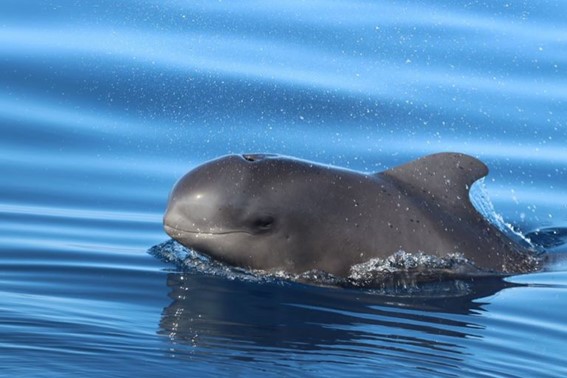
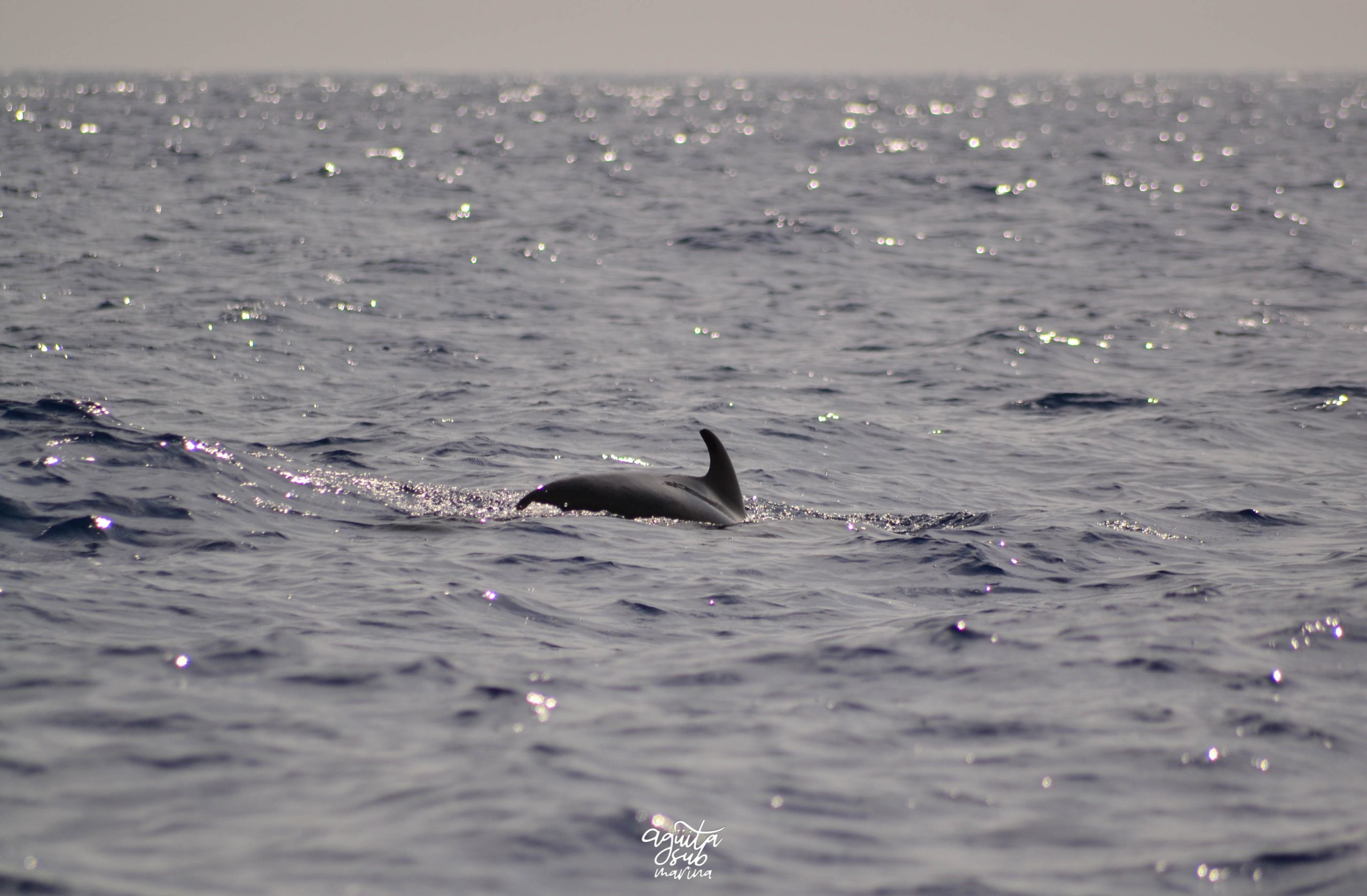
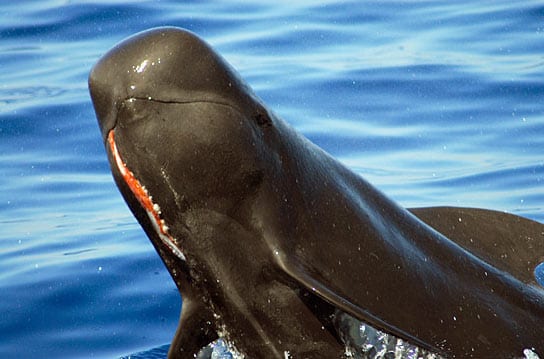
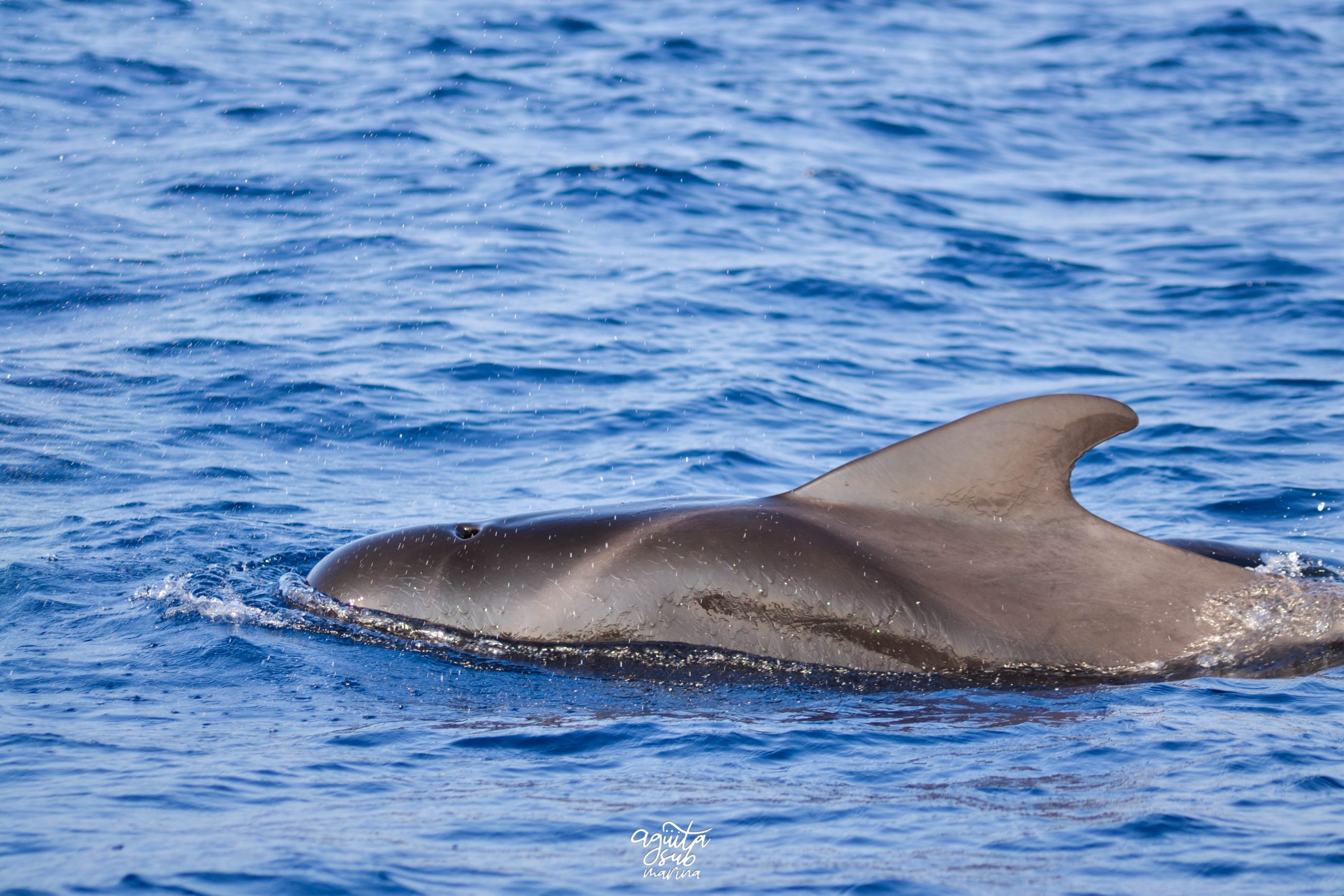
Its rounded head, which resembles the bottom of a cooking pot, stands out as its main identifying feature, along with a large curved dorsal fin. They have a dark grey, almost black coloration with a slightly lighter pattern on the back. In general, males are larger than females and can reach up to 7 metres in length and weigh 4 tonnes, although in the Canary Islands males usually do not exceed 5.5 metres. We distinguish them by their more developed melon and their dorsal fin, which is longer and larger than that of females. Calves have a less pronounced melon, a lighter coloration and a more pointed dorsal fin, similar to that of a common dolphin.
The fastest cetacean in the depths
Although its English name is “pilot whale”, it is an odontocete cetacean belonging to the family Delphinidae, that is, it is a dolphin. The same applies to its close relatives, the orcas or “killer whales”. Among all cetaceans, the short-finned pilot whale holds the record for swimming speed in deep water; they can reach 9 metres per second!
It doesn’t seem that way when we find them swimming calmly at the surface, does it? If you have enjoyed a trip aboard “El Calderón” with BIOSEAN Whale Watching & Marine Science, you will know that it is common to see them resting at the surface, floating like buoys and replenishing their oxygen reserves for future deep dives. Instead of sleeping 8 hours like humans do, they prefer to recover their energy with short naps throughout the day.
Generally, one or more individuals in the group take turns diving to look for food, so sometimes we can observe calves at the surface, cared for by adult or juvenile females. These are the so-called “nursery groups”. These younger animals often approach whale-watching boats cautiously and respectfully, driven by great curiosity and showing a very sociable behaviour. Sometimes we can see them showing one or both pectoral fins, lifting their head out of the water to look around (the behaviour commonly known as spy hopping) or striking the surface with their fins to attract attention.
The great power of echolocation
As we mentioned previously in the article “The common bottlenose dolphin, the star of whale watching in Tenerife”, pilot whales also depend on these clicks to feed, socialise and reproduce. They are intelligent and effective hunters, evolutionarily adapted to deep-sea hunting.
To feed, they dive between 600 and 1,200 metres deep, where sunlight disappears and darkness reigns. That is when they use their melon to transmit the sound waves (echolocate) produced by the phonetic lips (monkey lips) located at the base of the blowhole, and thus find their prey. After an initial moment of orientation, they begin searching at speeds between 25 and 30 km/h, and once they detect prey, they move at speeds comparable to a cheetah on the savannah until they reach it. Studies of the stomach contents of stranded pilot whales show that giant squid are their favourite prey, although they also feed on fish and octopuses. After feeding, they use the rest of their energy to return quickly to the surface. This entire underwater activity, which usually lasts around 25 minutes, requires great energy expenditure — especially when you consider that they also have to hold their breath! Once at the surface, exhausted, they look for the rest of the pod, once again using the clicks emitted from their large melon.
A sociable animal loyal to the pod
The cohesion among members of the same group is very remarkable: they remain together for life. This loyalty and ability to create strong bonds is one of the most special and unique features of pilot whales. In particular, between mothers and calves these bonds are especially intense: they care for them even beyond death, accompanying their calves even if they lose their lives.
Short-finned pilot whales usually live in mixed groups of around 20–30 individuals (10–20 in Tenerife), made up mostly of adult females and their offspring, with a ratio of four females to each male in the pods. The older females, after reaching the end of their reproductive age and going through menopause, become the most important individuals in these matriarchal and matrilineal societies. They care for and guide the pod, protect the youngest members and share all the knowledge needed for the group’s survival.
If solitary individuals are observed, they are generally adult males. In order to ensure greater genetic diversity and fertile offspring, mating takes place between members of different groups during the summer season. Calves are born almost a year later and remain close to the mother until they are 4 or 5 years old, when they are weaned. Females reach sexual maturity between 7 and 12 years, and males between 15 and 18 years. Males can live up to 45 years, while females can reach 60 years.
Their greatest threat: ferries and vessels
The short-finned pilot whale was captured throughout history in the Northwest Pacific for consumption in Japan, with up to 2,300 individuals captured between 1985 and 1989, according to some studies. It now has some degree of protection in those regions, but poaching is still ongoing and fishing pressure continues to threaten the populations that live in those waters.
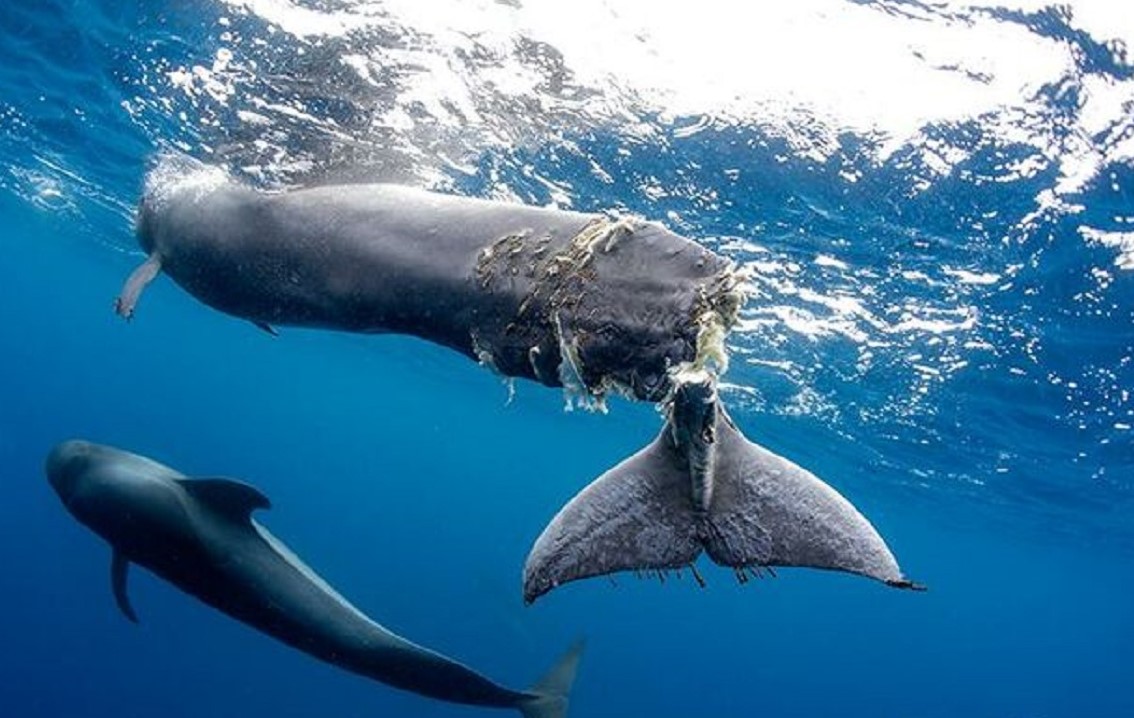
However, in the Canary Islands, the anthropogenic threat causing the highest mortality in this species is maritime traffic and vessel collisions. From 1991 to 2007, the Canary Islands stranding network recorded a total of 59 short-finned pilot whales injured or killed due to this cause. The overcrowding and activity of some illegal whale-watching companies causes these animals to be harassed. Every day, many boats visit pilot whale groups, cornering the animals, cutting off their path and blocking their way, interfering with their rest at the surface and causing stress. On top of that comes the constant traffic of “fast ferries” between Tenerife and La Gomera.
If you are looking for an unforgettable cetacean experience without giving up sustainability and respect for the sea and these incredible animals, at BIOSEAN Whale Watching & Marine Science we are waiting for you. On board our boat “Calderón” you can meet this and many other species that live in our waters.
Stay up to date with everything happening at sea and in the incredible world of cetaceans by visiting our website, following us on Instagram (@biosean_) and checking out the rest of our social networks: Facebook, YouTube and LinkedIn.
See you very soon in the great blue!