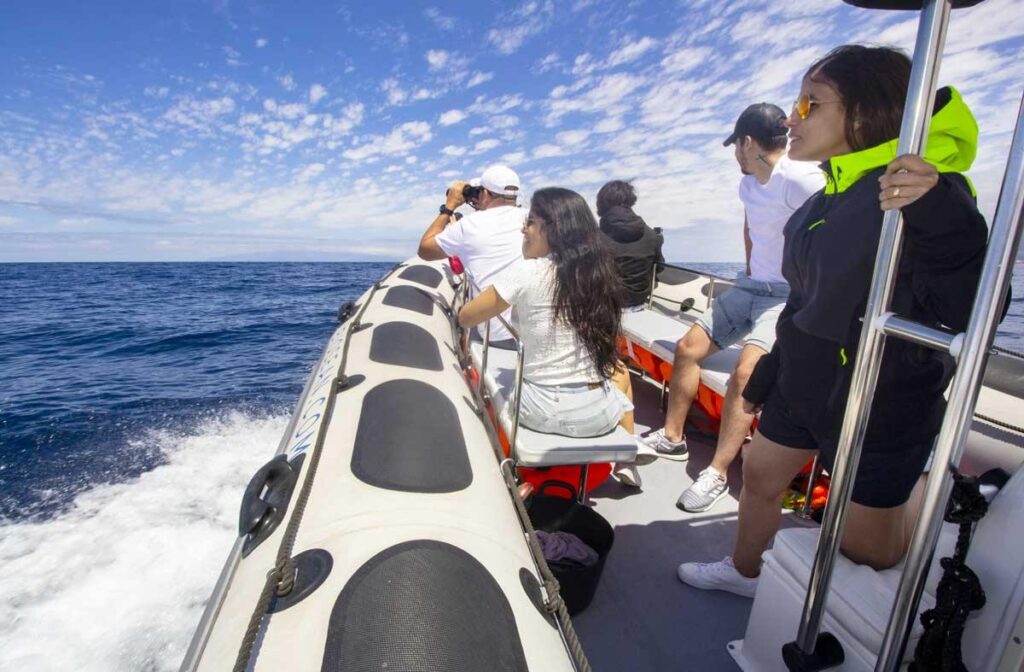
Citizen science and whale watching
Enjoying the watching of dolphins and whales in their wild habitat has become one of the main attractions for many travellers who choose the Canary Islands to experience a unique adventure in the heart of nature. This activity, which is increasingly in demand among tourists, requires extreme precautionary measures: poor practice can cause collisions that endanger the life of the animal and even that of the people on board. However, if it is properly managed, it can become an extraordinary tool to promote scientific research on marine mammals and encourage environmental education. In addition, tourists who take part in these activities can actively help protect and improve knowledge of Tenerife’s whale populations.
Would you like to know how? We’ll tell you!
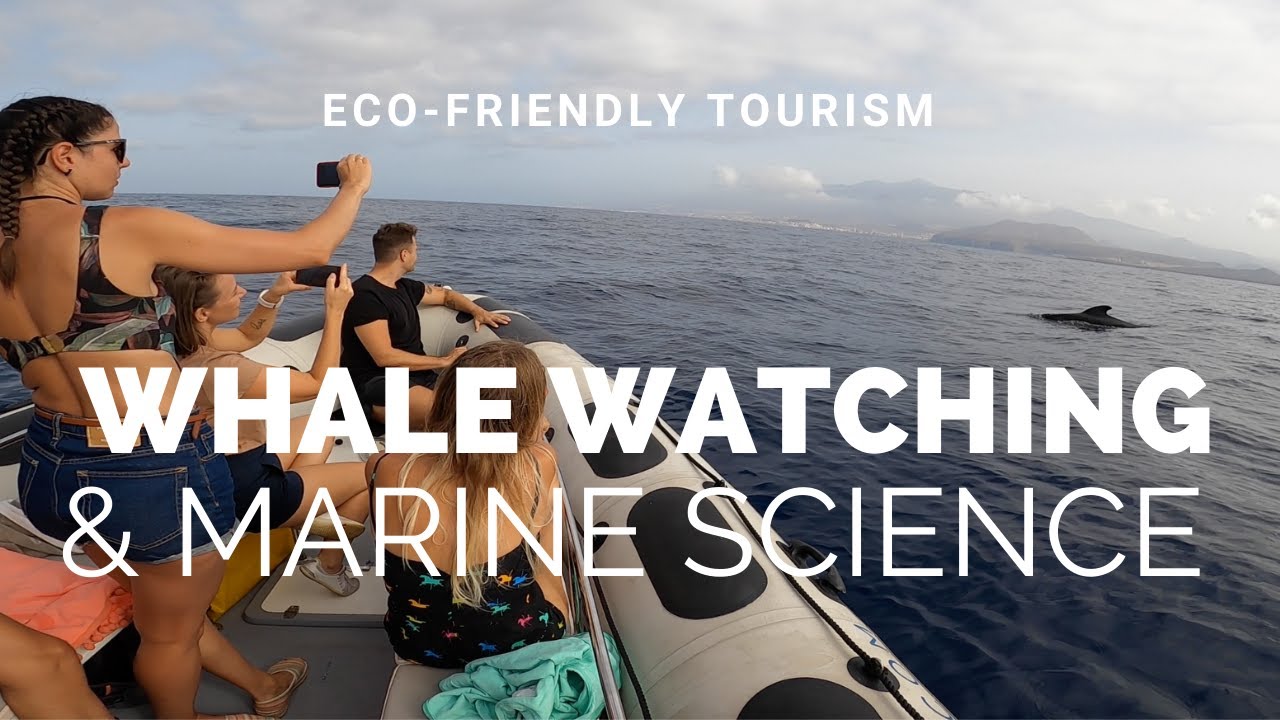
Whale watching tourism, a growing activity
The Canary Islands are a privileged place when it comes to the presence of cetaceans. The activity of whale and dolphin watching on the island of Tenerife, one of the most developed within the tourism sector, has evolved greatly in recent years, adapting to the new social and economic reality of the islands. Adopting a sustainable working model, committed to conservation and respectful of the environment, is essential in order to continue working in the protected natural area located in the southwest of the island.
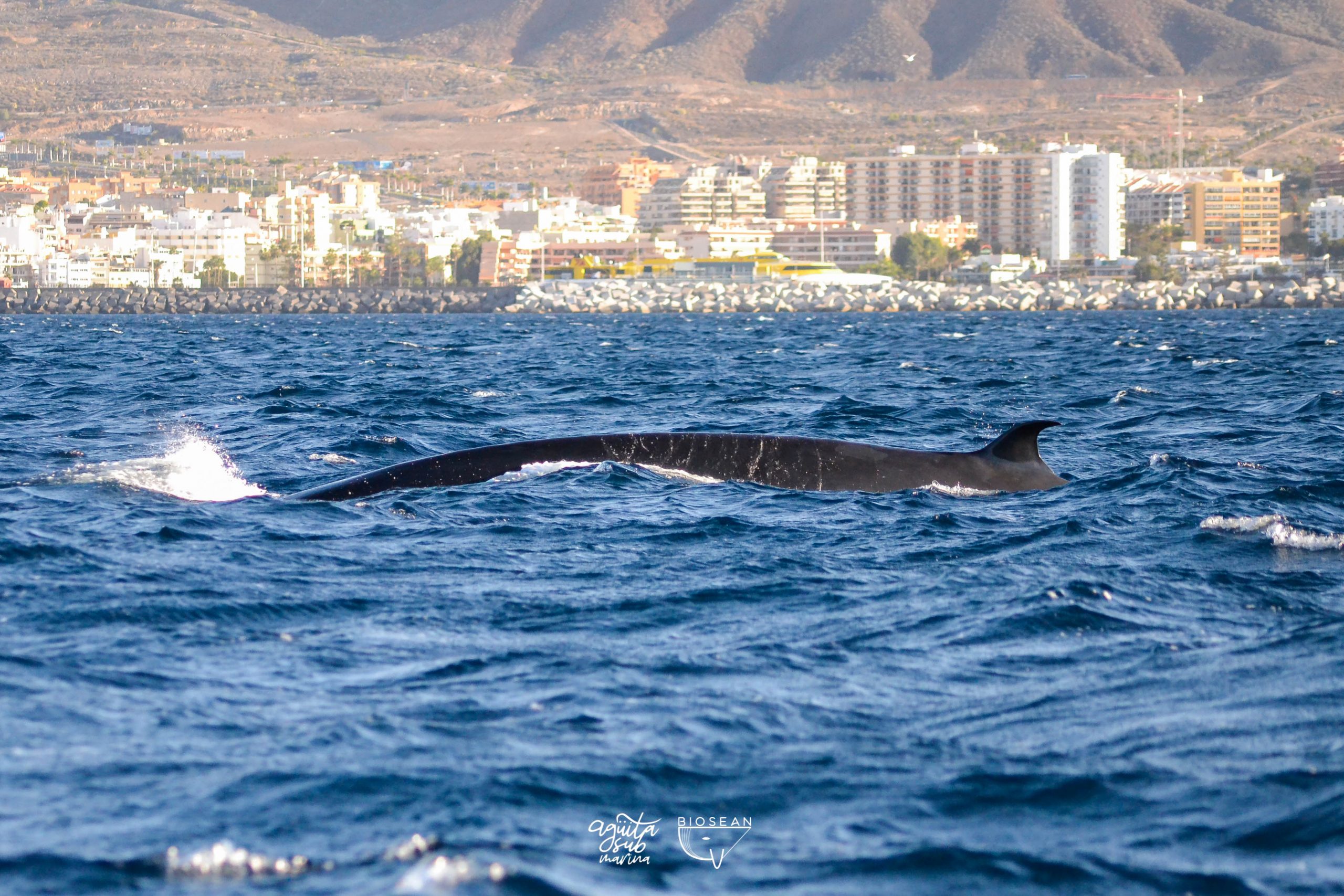
Among the lines of action being implemented on whale watching boats are the reduction of the boats’ carbon footprint and compliance with the whale watching guidelines recommended by the WCA (World Cetacean Alliance). Thanks to the implementation of these measures, whale watching is currently a practice celebrated by many environmental organisations, as it represents an opportunity for marine conservation and sustainable economic development.
In addition, it is possible to go one step further. At BIOSEAN Whale Watching & Marine Science, we know that whale watching tourism, aimed at the dissemination and conservation of species, can bring many benefits to science and the study of the marine environment. For that reason, we are joining this commitment by implementing an on-board data collection system, using the boat and the tours as an opportunistic platform for research. In this way, we also contribute to a new emerging phenomenon that is increasingly useful for science and highly appreciated by tourists and lovers of the marine environment: citizen science.
Network of Marine Environment Observers in the Canary Islands
 With the concept of “citizen science” as its framework, the Network of Marine Environment Observers in the Canary Islands (RedPROMAR) was created, a marine environment monitoring and surveillance system and a registry of information on all marine organisms in the Canary Islands, focused on those marine species of particular interest, such as cetaceans, sharks and turtles, as well as those that are non-native or invasive. The network has a website and a free app, both for Android and for iOS.
Any ordinary citizen who wishes to report an encounter with a marine species or a sighting can do so by using this free tool and contributing significantly to research and to the understanding of some ecosystem processes that are currently being studied: increases or declines in species populations, the appearance of invasive exotic species, algal blooms, and many more.
Users can fill in information in a form and upload photographs with the location of cetaceans, mammals and other marine species. All this constantly updated information allows us to diagnose the state of health of the Canarian marine ecosystem, while also serving as a source and database for many scientific studies and research projects.
The observers who make up the RedPROMAR network are ultimately the eyes of science, through which we capture the present and can understand the future of marine life in the Canarian archipelago. Through public participation, or citizen “science”, the aim is to generate a three-way interaction between the scientific world, society and public administrations.
Citizen science, the right tool to do your part
In the context of whale watching, citizen science is an environmental education tool that involves the public in scientific activities such as the protection and conservation of the marine environment and the great mammals that live in it. It encourages the active contribution of citizens in the world of research and their involvement in recording cetaceans.
If you want to experience “citizen science” and get directly involved in the marine world and its conservation, we offer you several options. At BIOSEAN, we offer people interested in the marine and cetacean world the chance to join our whale watching trips, promoting participation, environmental education, the study of marine biodiversity, and the conservation of cetaceans and their habitat. You will help us collect data and sample the species we interact with during each sighting, the number of animals, the number of adults and calves in each group, their behaviour and photo-identification, among many other things.
All this information, collected during each of our tours, is necessary to carry out scientific research related to the marine environment and the species that inhabit it. At BIOSEAN, we work hand in hand with universities, institutions, NGOs and students from all over the world in the development of studies on the marine fauna that inhabits the Teno-Rasca Special Marine Conservation Area, achieving a greater knowledge of the species and, at the same time, promoting the protection of this emblematic place. Help us make it happen!
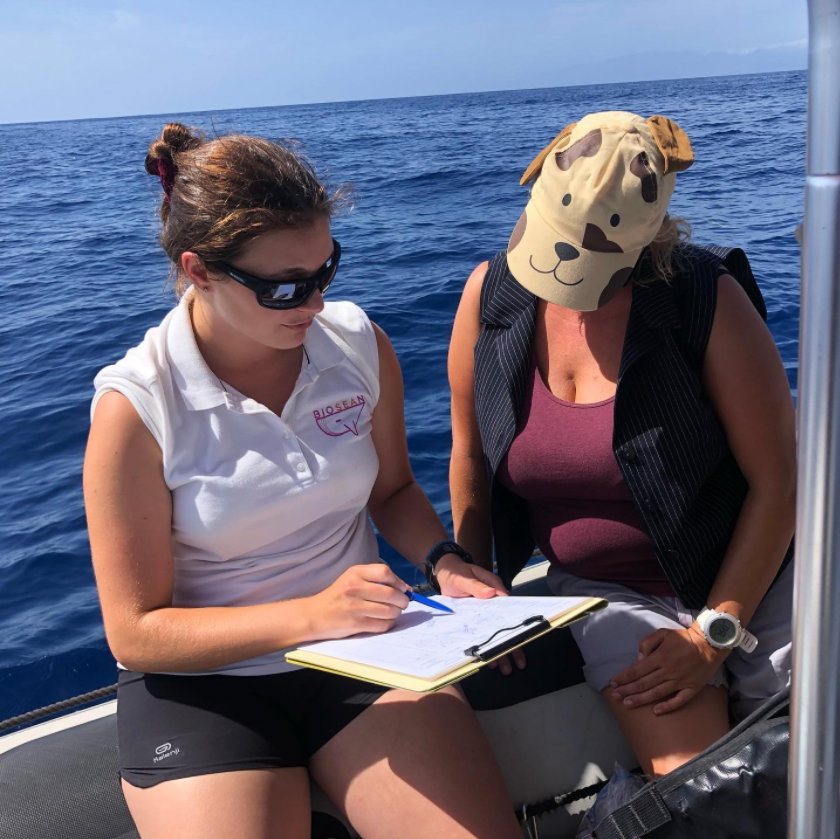
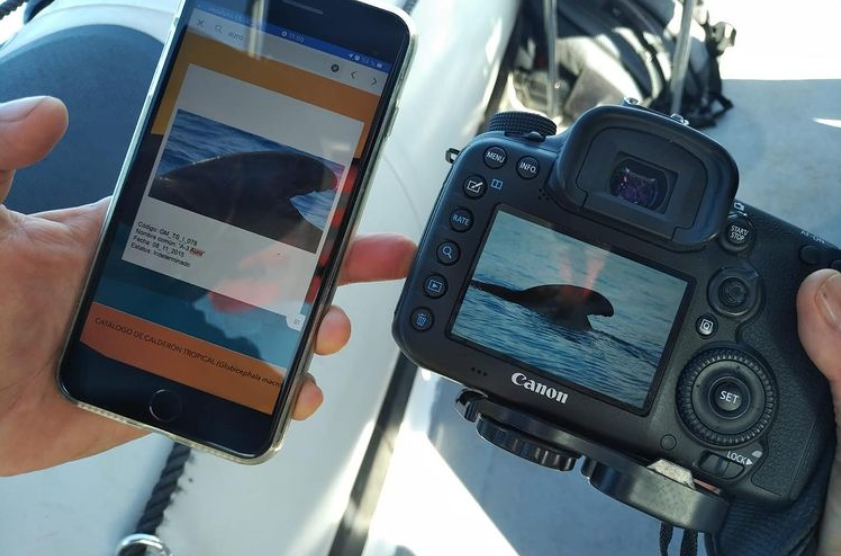
Data collection and photo-identification during BIOSEAN whale watching trips
If what you want is to take part actively and continuously, you can also do so by joining the Network of Marine Environment Observers in the Canary Islands. The registration system is simple:
- Download the free RedPROMAR app for Android or iOS or access the website.
- Sign up as a new user and create your profile.
- Access will be through username and/or password.
- From then on, you will be able to record information in the Network.
What are you waiting for? Become an active observer and help monitor and watch over the marine life of the archipelago! We offer you our trips on board “El Calderón” so that you can begin contributing your first records to the Network. Marine science is only one “click” away.
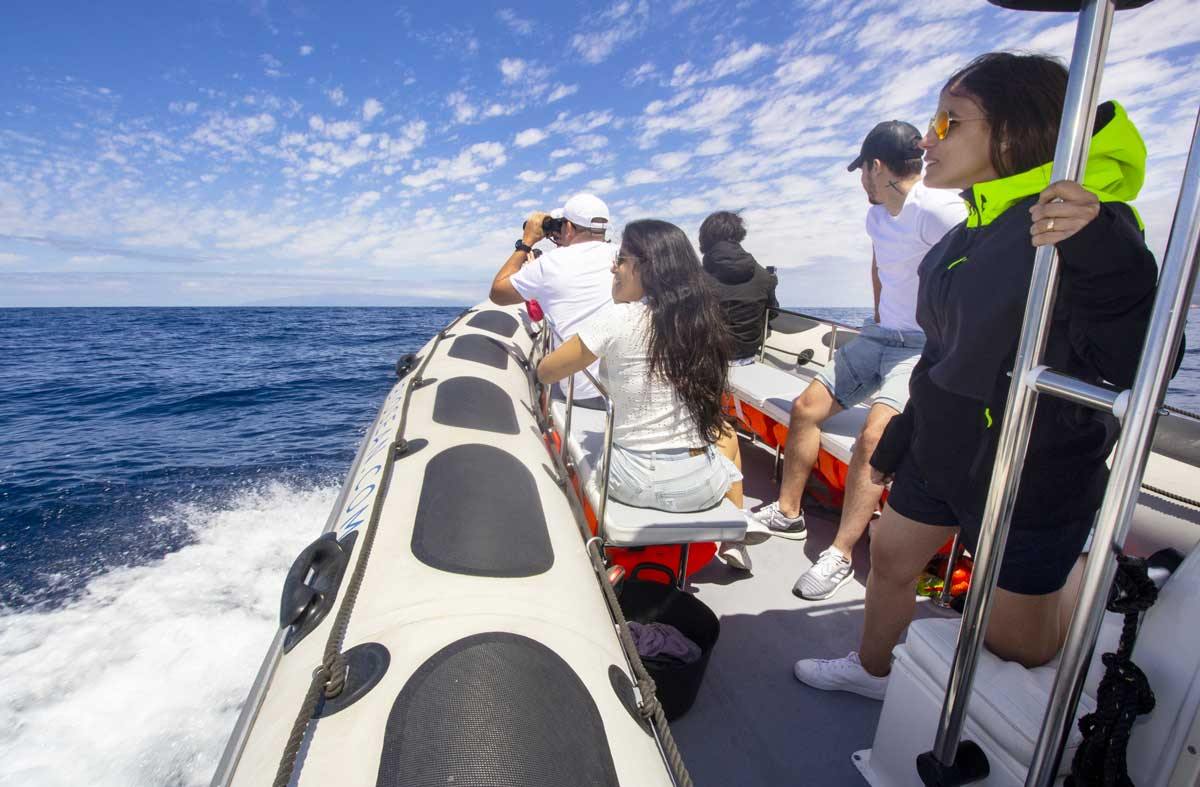
You can also stay up to date with what is happening at sea by visiting our social media: Instagram (@biosean_), Facebook, YouTube and LinkedIn.
See you soon in the great blue!