Art and Marine Biology United by Biosean and Marco Montiel-Soto
By: Marina Tortosa (@marinatortosa27 / @aguitasubmarina)
A long friendship, curiosity and an unrelenting desire to keep creating and learning are some of the reasons that lead a marine biologist, Misael Morales Vargas (@misael.morales.vargas), and a multifaceted artist, Marco Montiel-Soto (@marcomontielsoto), to collaborate on the brilliant creation of a sound piece that connects nature and humanity: The Sunken Lighthouse. Art and science come together in a single artistic composition to explore the relationships between marine wildlife and human beings, extinction and biodiversity, freedom and captivity, migration and expedition, Africa and Europe.
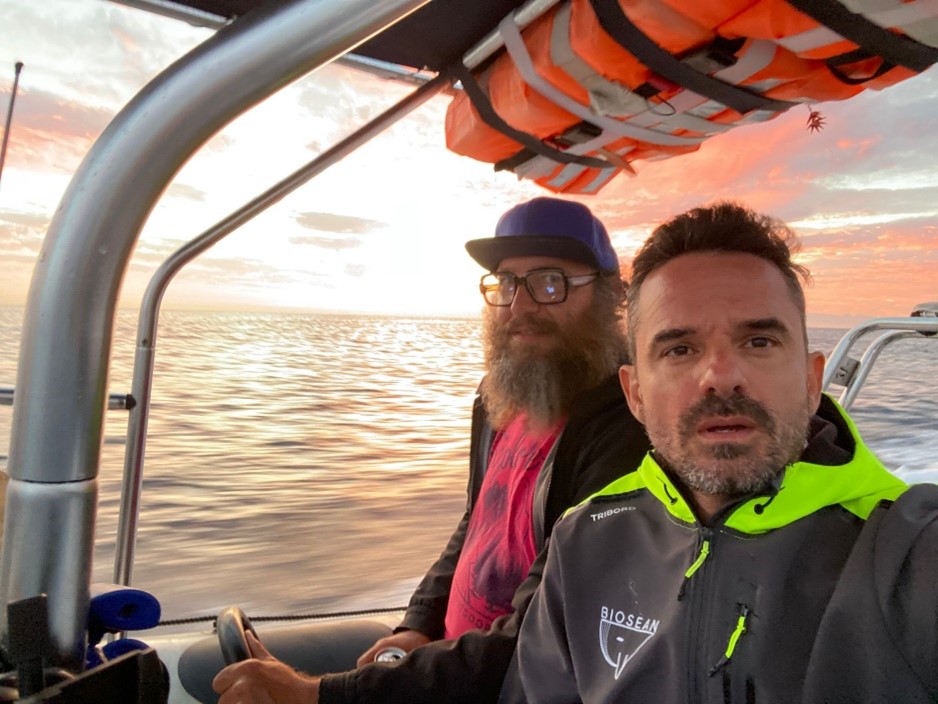
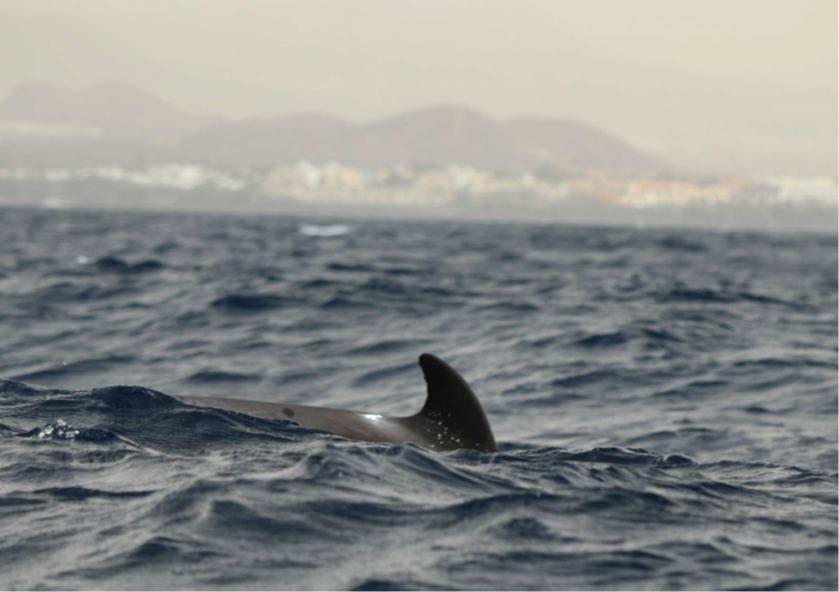
During the months of October, November and December 2020, a total of 30 expeditions were carried out on board “El Calderón”, Biosean’s vessel (@biosean_), to observe, listen to and understand the different sounds travelling through the submarine depths of the Special Area of Conservation located between Punta de Teno and Punta Rasca, in the southwest of the island of Tenerife.
Reflecting the underwater memory, the life of the sea and its connections with human beings is the objective of this artistic proposal born from the MAREBOX project and its new open call for artists and interdisciplinary teams: Water Weighs.
What is the “MAREBOX Project”?
MAREBOX is a project co-funded by the Creative Europe Programme of the European Commission. Specifically, Water Weighs is the name of the open call for artists and interdisciplinary teams that seek to address art by “tracing underwater memory, the life of the sea and its corporeality”. Through a residency programme, the goal is to develop innovative artistic works and experiences dealing with underwater culture. Through this artistic vision, the aim is to pursue the protection and promotion of European Underwater Cultural Heritage, raise awareness about the impacts currently affecting the marine environment and address the ongoing challenges of protecting it. In this way, a connection between the arts, culture and science is created, bringing together artists and scientists with a shared purpose: to promote and protect marine cultural and natural wealth.
Engaging with and connecting to Europe’s natural and cultural maritime heritage is important for fostering a better understanding and ecological awareness among citizens and European identities alike. In recent decades, Europe’s seas and oceans have become dumping grounds for plastics and marine debris, maritime highways, battlegrounds and deadly borders for millions of migrants.
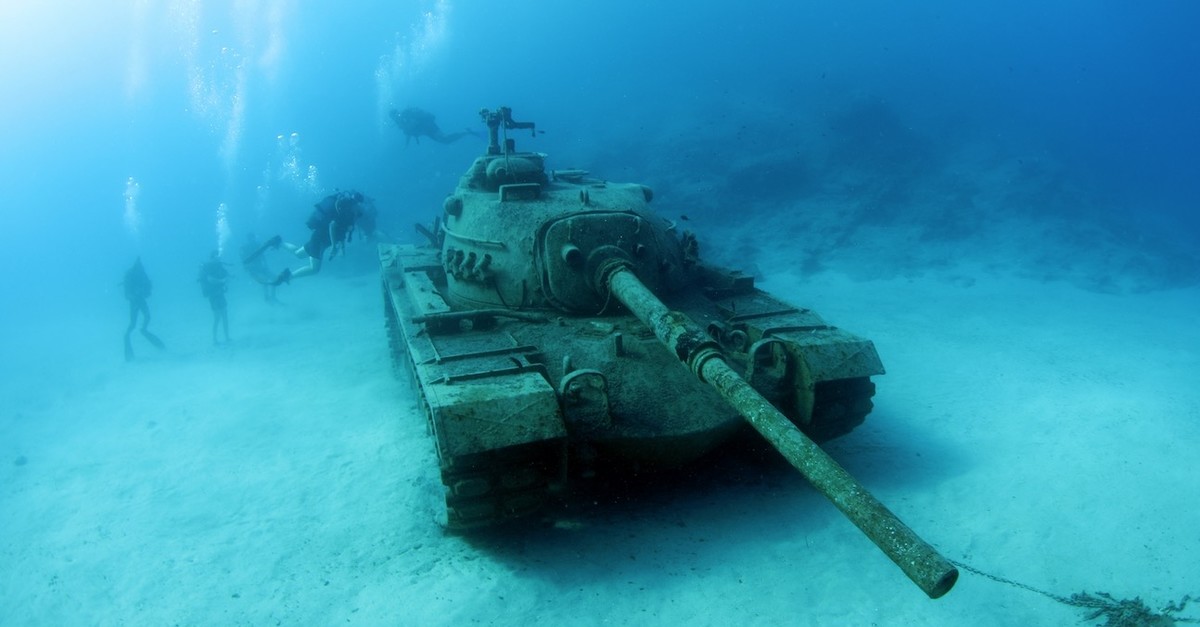
The European seabed holds remnants of human traces reflecting over 5,000 years of history: remains of goods from ancient trade routes, ships and aircraft sunk during world wars, wrecks of thousands of refugees trying to reach European shores, and vast amounts of debris resulting from economic activity and modern life. In short, our seas and oceans represent genuine time capsules connecting past and present, reflecting the degradation of the marine environment throughout history.
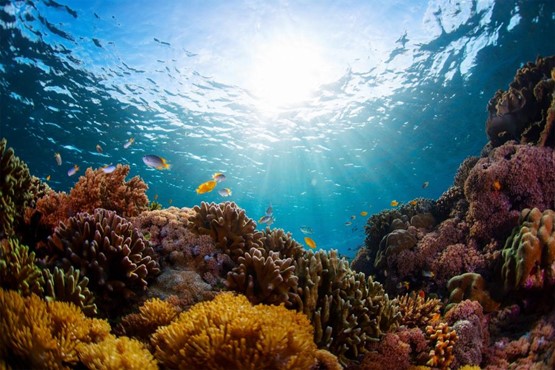
The MAREBOX project aims to show, through the artistic proposals of its participants, that the sea and the oceans are in reality a space of multidirectional possibilities — a valuable bridge between cultures with countless resources yet to be discovered, heard and understood, where marine species and communities whose echoes grow ever louder make their home.
Marco Montiel-Soto, a multifaceted artist
He was born and raised in Maracaibo, Venezuela, in 1976. Montiel-Soto later studied Photography at the Escuela de Fotografía Julio Vengoechea and obtained his Master’s degree in Sound Art from the Universität der Künste, Berlin. From videos and photographs to sound compositions, drawings and maps, his works have been presented in numer
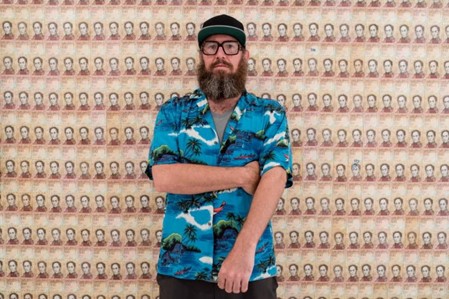
ous spaces across Latin America, the United States and Europe. Among his works, “Mal de mar hacia un triste trópico: notas sobre la otra isla” stands out — an exhibition that reflects on the connection between the Canary Islands and Venezuela, two points on the planet separated geographically by more than 5,500 kilometres and yet intimately bound together by cultural blending and migratory movements in both directions.
As a result of his collaboration with Misael Morales Vargas, marine biologist and founder of Biosean Whale Watching and Marine Science, he extends his artistic vision into the world of biology, science, biodiversity and marine conservation.
The Sunken Lighthouse: underwater culture defined by contrasts
“We are too busy trying to get what we want. We must learn to respect nature. We think we have to get close to them, touch them, train them. The problem is exactly this. Why can’t we simply leave the animals alone?“
Equipped with photography, video and hydrophone equipment, Misael and Marco captured all kinds of underwater images and sounds during their expeditions. They achieved radical contrasts by drawing inspiration for the sound piece from dialogue fragments and commentary from the documentary “The Cove”, referencing the exploitation and abuse of small cetaceans by the whaling commission and dolphinariums.
The work carried out by Roger and Katy Payne on whale songs was a source of inspiration for Marco and Misael, as it has been for many other biologists, musicians and artists.
In the 1950s, Frank Watlington, a US Navy engineer, was working at an ultra-secret listening station detecting Russian submarines during the Cold War. Watlington began picking up strange, unusual sounds coming from the ocean floor — very different from the noises normally captured by the station. He realised that the humpback whales, which spend their winters off the coast of Bermuda, might be the source. At the height of commercial whaling, Frank Watlington chose to keep his discovery secret, fearing that whalers might use it to locate and hunt greater numbers of whales.
After contacting Roger and Katy Payne, bioacoustics biologists, they discovered that what they were hearing were actually rhythmic patterns of repeated sounds — in other words, whale songs. Using the recordings, Dr. and Dr. Payne produced the album “Songs of the Humpback Whales” (1970) and “Deep Voices” (1975), which achieved unexpected success and went on to become one of the most important recordings culturally, historically and aesthetically in the entire world.
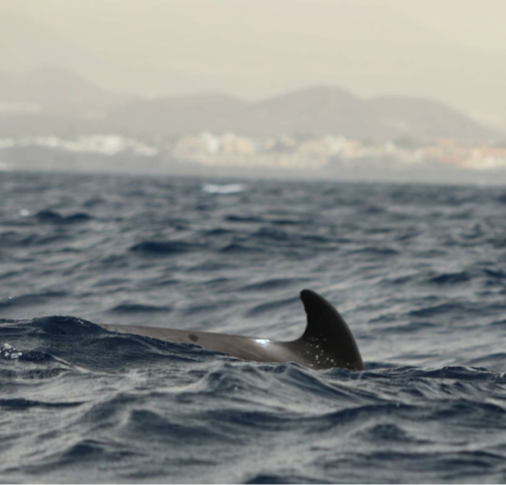
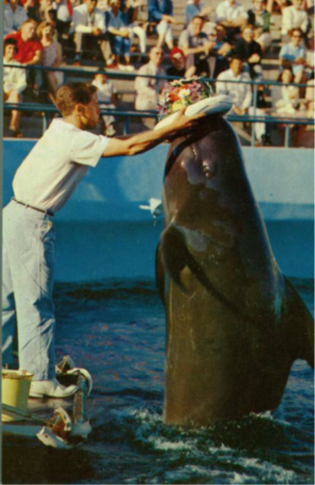
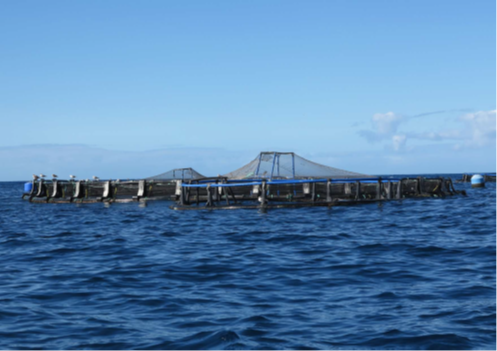
Alongside recordings of the whistles and pulses used by the animals for communication and echolocation, anthropogenic noise was incorporated. During the expeditions, the hydrophone on board the Biosean vessel was able to record the noise of chains at fish farms or underwater fish farms, the sound of ferry engines and the sound of our own vessel — reflecting the acoustic pollution suffered by Tenerife’s seabed.
These sounds overwhelmingly affect many of the marine animals inhabiting our waters, which depend on their acoustic abilities to communicate, feed and, ultimately, to survive.
Acoustic reflections of migration in the marine environment
“Attention. General call. General call. General call.
All vessels in the area, maintain maximum vigilance: a small boat sailing from the African coast with an undetermined number of passengers.”
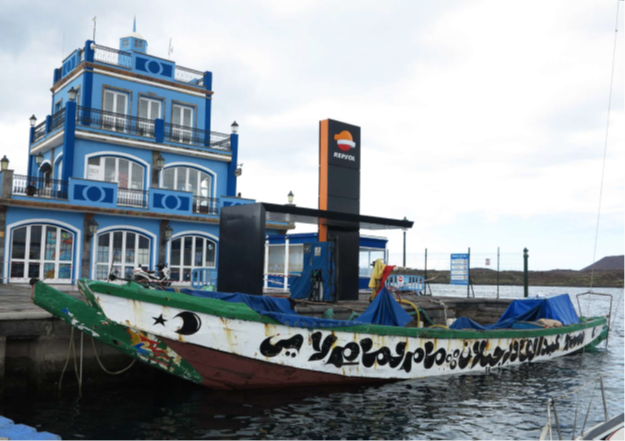
During the months of the expedition, local television news and newspapers were flooded with reports of large numbers of small boats arriving from the African coast. More than 500 migrants landed on the beaches of Tenerife having risked their lives on precarious vessels, tracing across the sea an auditory route capable of connecting Africa and Europe.
All the alerts and radio calls received from emergency services were incorporated into Marco and Misael’s artistic proposal, reflecting an overlooked element that forms part of the many connections between human beings and the marine environment: migration. Furthermore, the sound piece features melodies, instrument sounds, rhythms and African legends that recall and pay tribute to the great forgotten continent.
Where can I see The Sunken Lighthouse and the rest of the project’s works?
Both this and the rest of the digital , sound or physical artworks will be exhibited in 3 exhibition spaces in different locations across Europe for one month. This exhibition will take place in autumn 2021 and will be curated by SAVVY Contemporary, a partner of the MAREBOX project. The countries and locations selected for the exhibition are Cosenza (Italy), Alonissos (Greece) and Berlin (Germany).
“We are water; therefore, we can engage with liquid violence, the hydropoetics of sound and displacement, and the forensic science of the ocean.”
The Sunken Lighthouse is a sound composition created from cetacean songs, African music, stories, messages, engine noise and a voice drowning as it tries to narrate the story of thousands of shipwreck survivors adrift at sea. With all this material, the work succeeds in reflecting the violent and difficult balance between humankind and the sea. The survival of our species depends greatly on our ecological awareness and our capacity to acknowledge and understand the tangible effects of climate change, alongside the growing human violence inflicted upon the marine environment.
We recommend you keep an eye on our social media (@biosean_) to stay up to date on the premiere date!
Don’t miss it!