SOCLIMPACT: the effects of climate change on European islands
By @marinatortosa27 / @aguitasubmarina
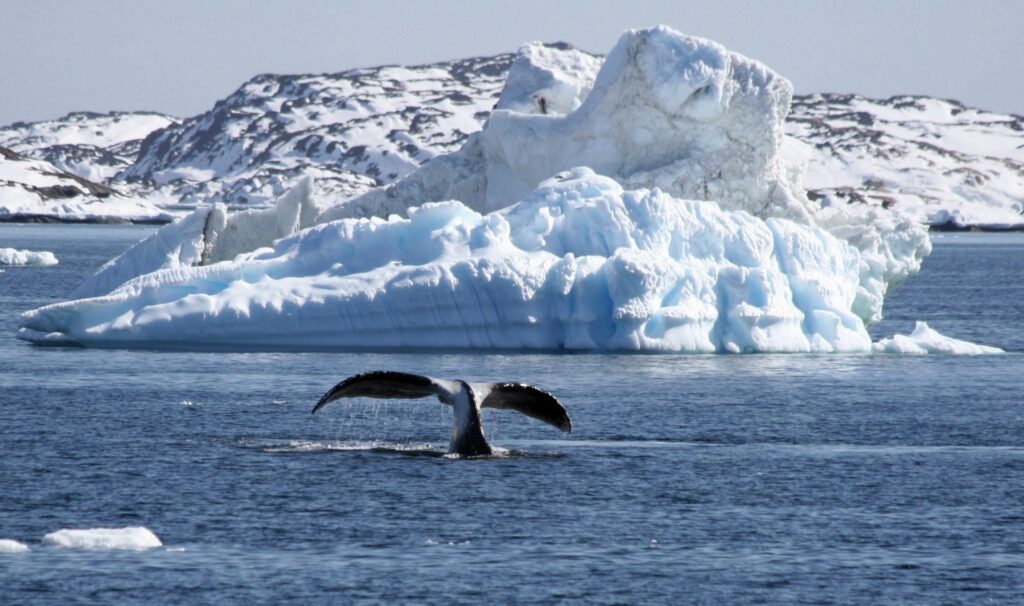
Global warming is an undeniable reality. The continued emission of greenhouse gases is causing irreversible changes in the world, and more specifically, in the seas and oceans. Rising sea temperatures, acidification and oxygen loss increasingly affect the marine species living in our waters, altering their behaviour, abundance and distribution. One of the aims of the SOCLIMPACT project is to study the vulnerability of cetaceans to these changes, and at BIOSEAN Whale Watching & Marine Science we have contributed our knowledge and experience to help these great marine mammals.
Would you like to know more about this interesting project?
Keep reading!
What is the SOCLIMPACT project?
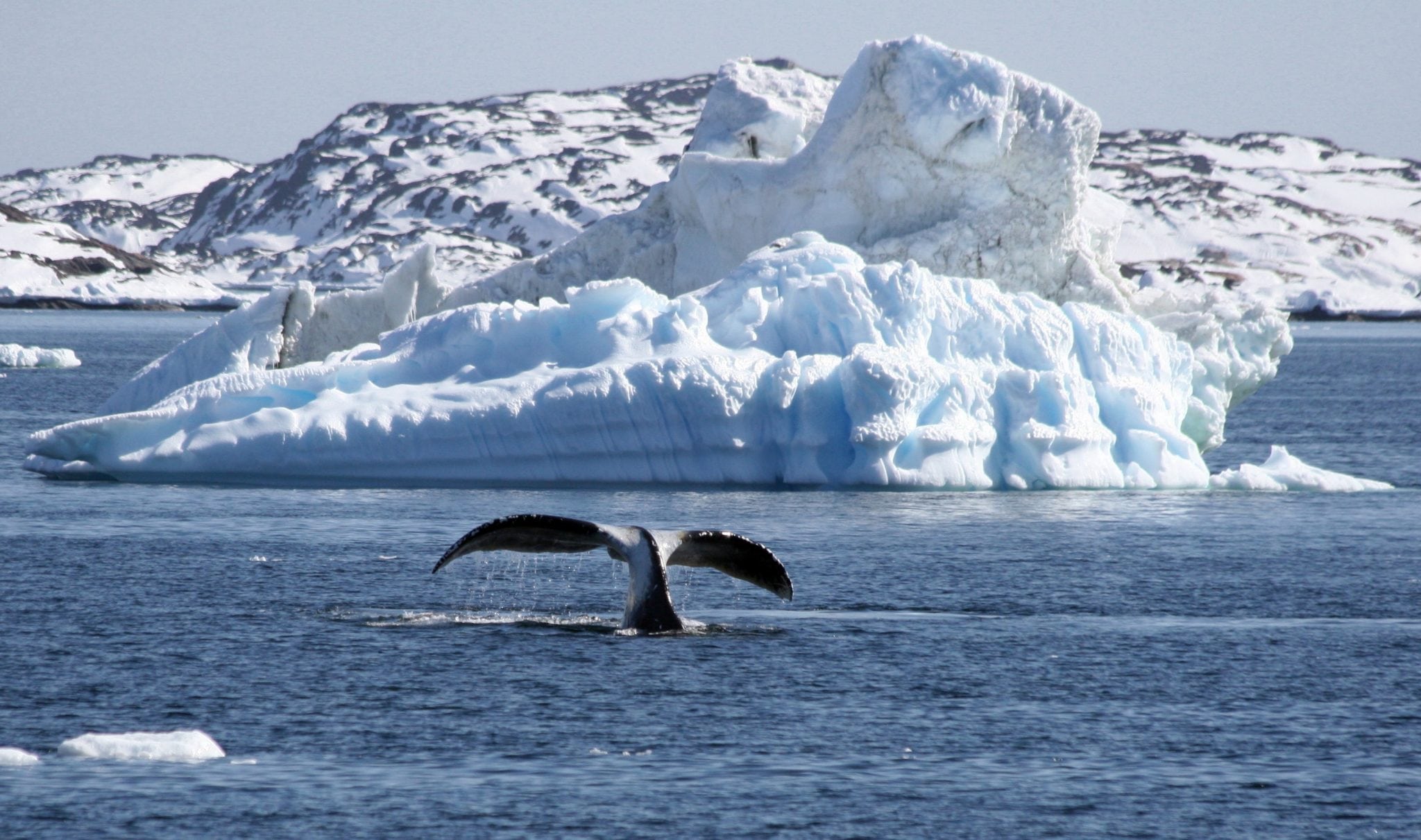
The world’s ocean warming rate has doubled since the 1970s. Since then, marine pH has gradually decreased due to the absorption of CO2 by the water. All of this also leads to oxygen loss and a considerable rise in sea level due to the thermal expansion of the ocean and the melting of glacial ice. All these changes in marine ecosystems have a dramatic influence on the distribution, abundance and way of life of many marine species, including cetaceans.
If we place this problem in an economic context, the biggest losers, apart from marine fauna and flora, are European islands, whose economies rely heavily on whale and dolphin watching tourism. To predict and, as far as possible, minimise the negative impacts that climate change may generate in the socio-economic marine sector of European islands and archipelagos, the SoCLIMPACT project was created (DownScaling CLImate imPACTs and decarbonisation pathways in EU islands).

Thanks to this project, which brings together leading researchers and companies dedicated to marine tourism, policymakers have the opportunity to access accurate information on the possible impacts, costs and benefits of strategies to implement efficient measures. Specifically, strategies and plans are being considered for 12 European islands: the Azores, the Balearics, the Canaries, Corsica, Crete, Cyprus, Fehmarn, Madeira, Malta, Sardinia, Sicily and the French Antilles.
How does climate change affect the Canary Islands?
In the Canary Islands, much of our economy is based on the service sector, that is, on tourism. It is no surprise that the beaches, crystal-clear water, year-round mild climate and other natural attractions of the archipelago make these islands an important tourist destination, with more than 12 million visitors arriving every year.
However, in recent years a public debate has emerged around this fact. More and more, people talk about “overtourism” and the impacts it has on the islands’ ecological balance: shortages of drinking water, increased wastewater and rubbish, and the negative effects of maritime transport on marine waters and wildlife, among others. Is it sustainable to keep overexploiting the archipelago for tourism?
If we add climate change to this complex scenario, the problem intensifies, and so does the vulnerability of the islands. Within the Blue Economy framework, future problems are projected for the four main economic sectors of the islands: tourism, maritime transport, energy and aquaculture. That is why the SOCLIMPACT project aims to find answers to how these sectors can respond to impacts and vulnerabilities through adaptation and mitigation measures.
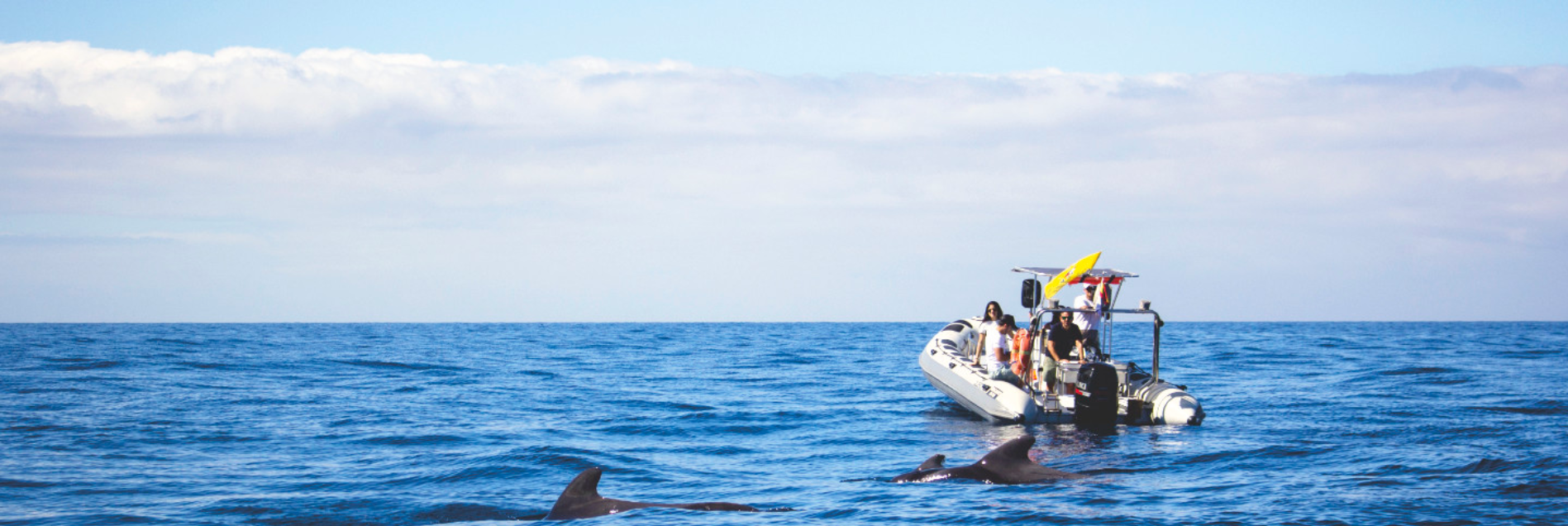
Misael Morales Vargas, representing BIOSEAN in the fight against climate change
The immediate impacts of climate change on whale and dolphin watching are still largely unknown, despite the great socio-economic importance it has for island communities. For this reason, SOCLIMPACT aims to thoroughly examine the possible impacts on the whale watching industry by supporting the doctoral project “Climate Change and Whale Watching”, carried out by Andreia G. Sousa, a young researcher at the Centre for Ecology, Evolution and Environmental Changes, and the University of Lisbon.
Andreia G. Sousa’s project aims to evaluate the biological and socio-economic implications of climate change for cetacean watching, as well as possible adaptation measures that can be implemented in this industry to ensure the long-term sustainability of the activity. The research is being carried out in the Azores, Madeira and the Canaries (the European islands of the Macaronesian region), and will include several local cetacean experts who will contribute their knowledge to evaluate and review the adaptation measures that guarantee the long-term sustainability of this tourism activity.
As experts on cetaceans in the Canary Islands, Andreia de Sousa selected for her project the marine biologist Dr. Patricia Arranz, researcher at the BIOECOMAC group of the University of La Laguna, and Misael Morales Vargas, Master’s degree holder in marine biology and founder of BIOSEAN Whale Watching and Marine Science.
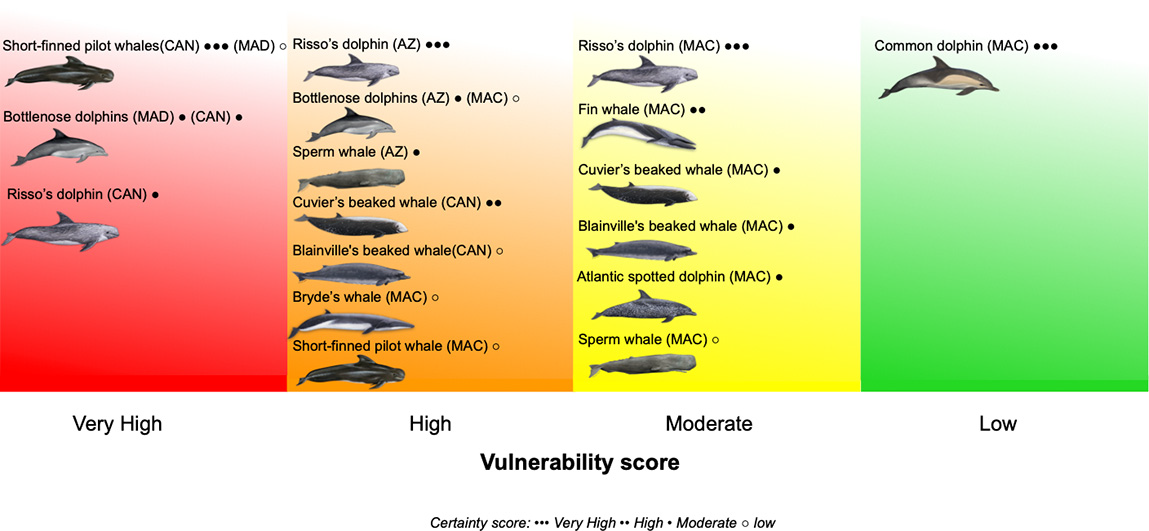
The project culminated in a conference in March 2021 and the publication of numerous articles, such as the one carried out by Andrea G. Sousa, Misael Morales Vargas, Patricia Arranz and other researchers on the “Vulnerability of cetaceans to climate change in Macaronesia: trait-based assessment perspectives”. The completion of this project marks the beginning of a new stage of learning and the implementation of best practices that we can carry out on each of the European islands, and especially in the Canary Islands.
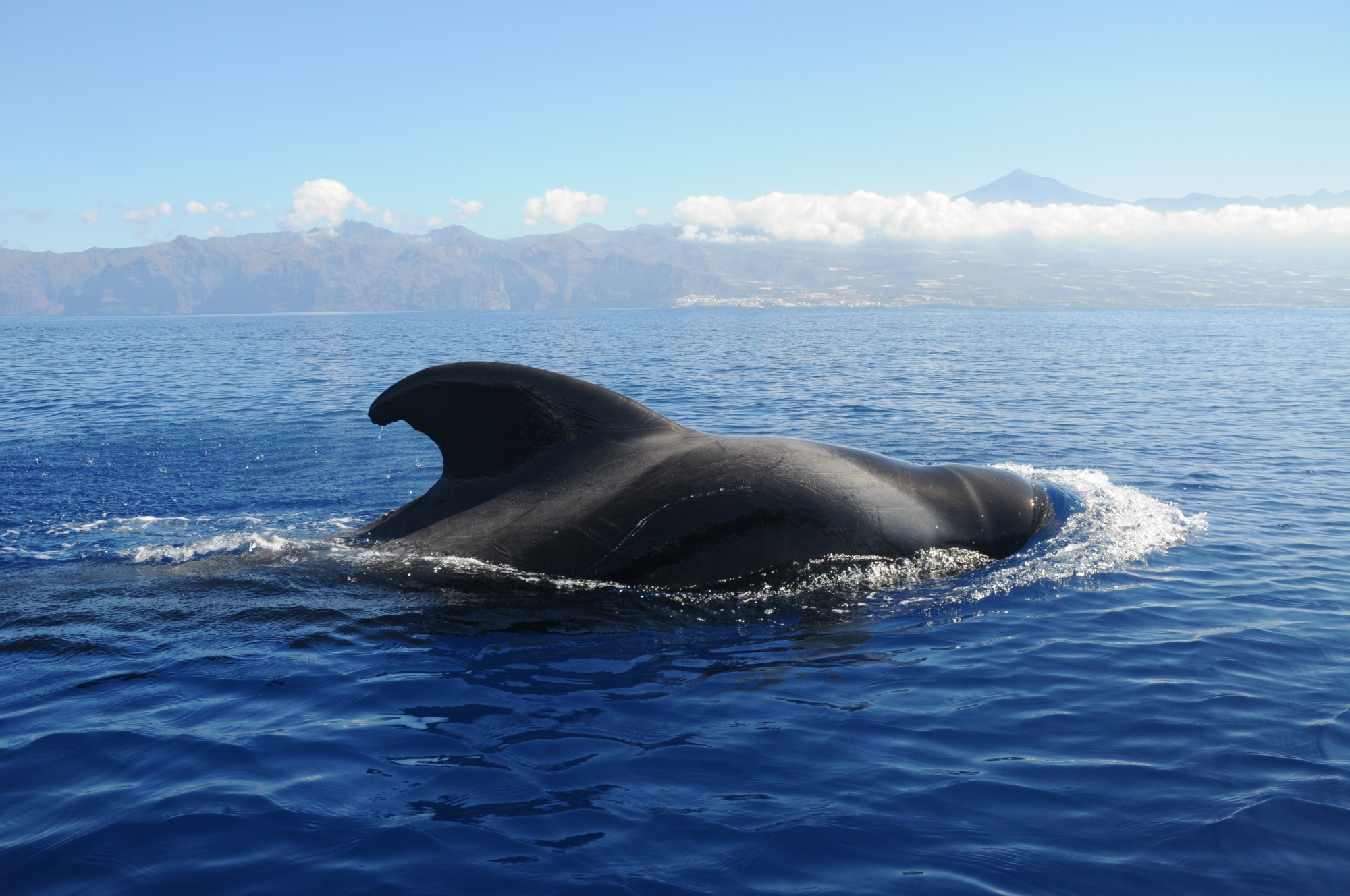
Most of the Macaronesian species assessed showed high and moderate vulnerability to climate change. The tropical pilot whale and the common bottlenose dolphin, so common on the coasts of Tenerife, are among the most vulnerable species.
The international science director of the Secretariat of the Convention on Biological Diversity (SCBD), Mark Simmonds, says that although cetaceans are capable of adapting, “climate changes are happening at such speed that it is not clear to what extent these animals will be able to adjust”. However, cetaceans are not the only animals increasingly suffering the consequences of climate change. The planet’s dynamic ecosystem balance is being affected and poses a serious threat to the survival of many species, such as sea turtles and sharks.
The fastest and most effective solution to climate change lies in the hands of governments and large industries, which must change their laws and activities in order to reduce CO2 emissions and greenhouse gases. However, as individuals, we can also change some of our habits and thus help to slow climate change. But how?
Small changes in our daily lives are enough, such as recycling, not throwing rubbish into the toilet, increasing and promoting the use of non-polluting transport, and encouraging the use of renewable energy sources. With our attitude and small actions alone, we can help save whales and many other species affected by climate change.
Are you brave enough to join the change?
Stay up to date with everything happening at sea and in the incredible world of cetaceans by visiting our website and our social media channels: Facebook, Instagram, YouTube and LinkedIn.
See you very soon in the great blue!