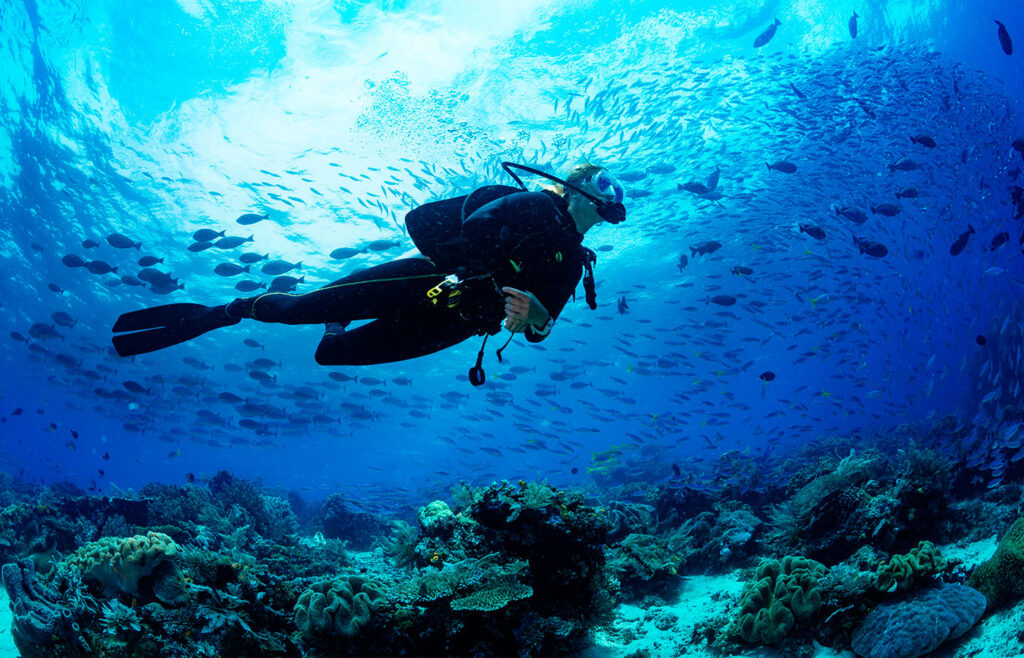
Tenerife, the diving capital of Spain
By Marina Tortosa (@aguitasubmarina)
It is true that at BIOSEAN Whale Watching & Marine Science, cetaceans are our specialty, but… whale watching is not everything. Tenerife has many other wonderful experiences to offer, and that is why we like to step away from time to time and get our equipment ready to stay connected with the great blue from another perspective: by diving in it. Our island offers great opportunities for diving in a volcanic environment with excellent visibility and temperature conditions. Would you like to discover the marine biodiversity of the archipelago with us? Keep reading!
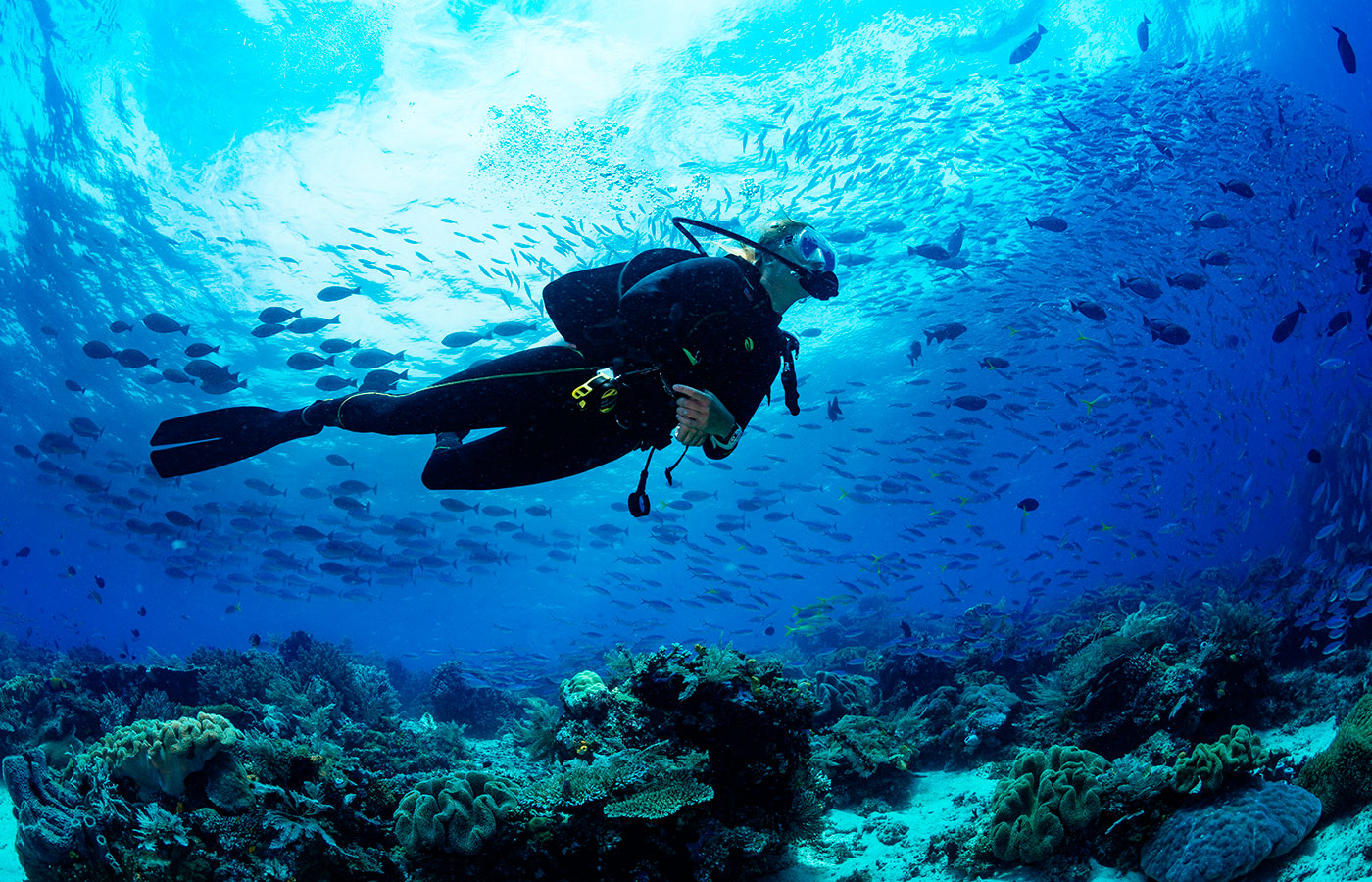
A normal diving day with BIOSEAN
Joining a diving trip with BIOSEAN is quite simple. No waiting, no complications. Just contact us, by email, by phone or by filling out the form on our website. As you know, we are not a dive centre, but a company specialised in cetacean watching. However, in addition to being marine biologists, we are a club made up of true diving professionals, so we will be happy to organise a trip out to sea from time to time to enjoy a fantastic dive among friends. This way, we guarantee a safe, personalised, tailor-made dive without crowds. A quality service so that you can learn a little more with every dive and enjoy the marine environment in complete peace.
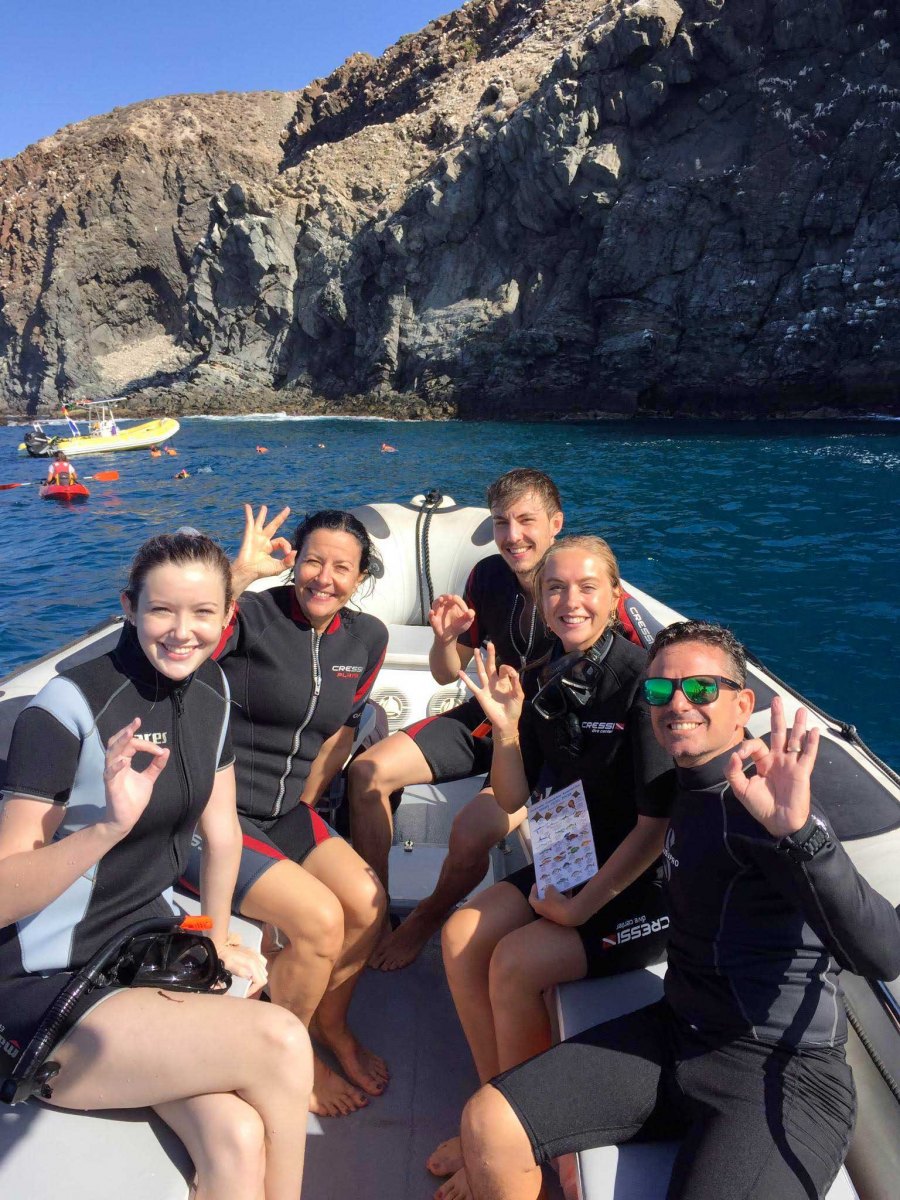
The “Calderón” is ready to set sail from the welcoming port of Las Galletas, in the south of Tenerife. The sea is calm, although a breeze usually picks up in this part of the island from midday onwards. We sail without rushing, enjoying the journey and keeping our eyes open: if we are lucky, we may spot a group of pilot whales or dolphins on the way to the dive site. Our CEO and Master Scuba Diver Trainer, Misael Morales (@misael.morales.vargas), knows the best dive sites on the island and, depending on sea conditions, will know which is the perfect place to enjoy a great day of diving. Montaña Amarilla, Los Chuchos, Cueva del Palmar… in this part of the island, we have a variety of options for all kinds of divers.
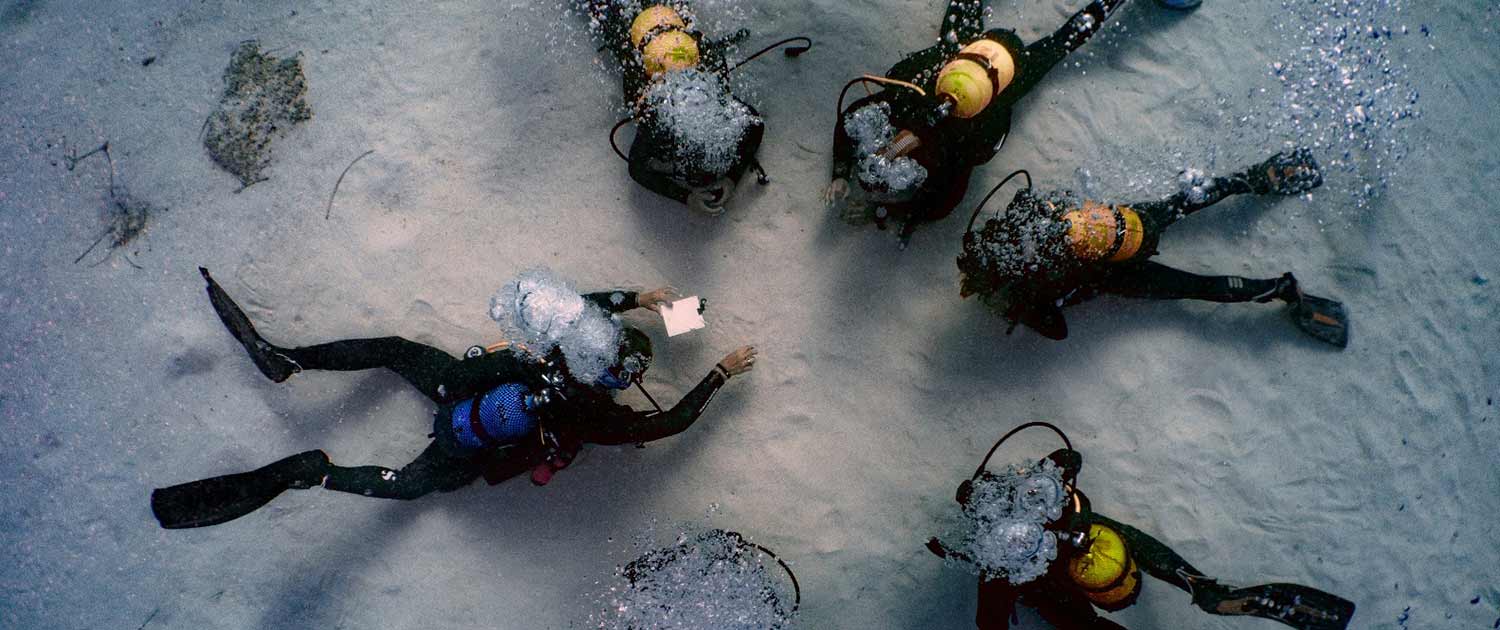
Once we drop anchor, we start preparing our equipment. After placing the mask on our face and the regulator in our mouth, we dive into the immense blue that bathes the Canary Islands. The OK hand signal tells us the descent down the anchor line is beginning. The adventure is about to start!
The best dive sites on the island
Sandy bottoms, steep walls, volcanic caves, tunnels, ledges, and huge drop-offs falling hundreds of metres… A paradise for countless marine species and for us, divers passionate about biodiversity and submarine geological landscapes. Here are some of the most special dive sites in the south of the island:
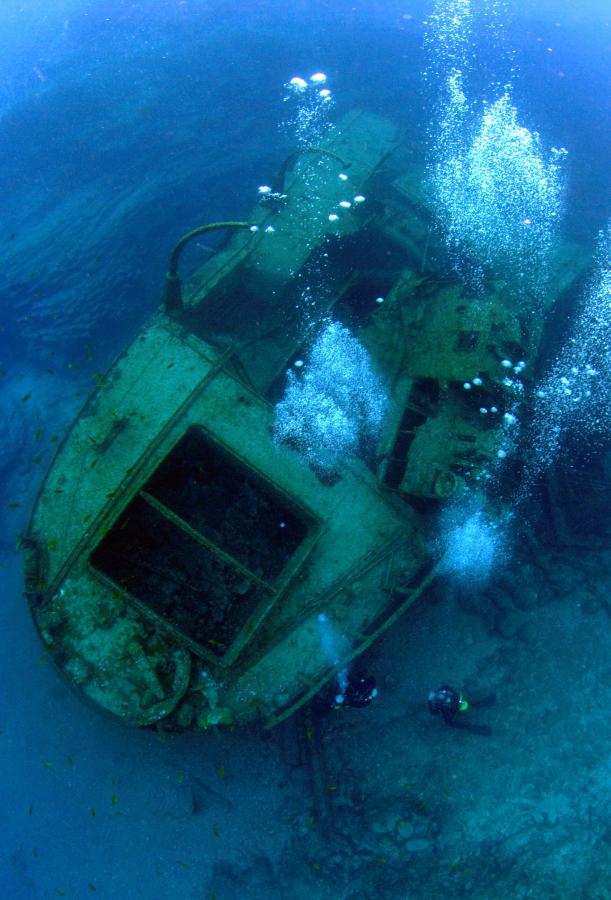
- El Condesito: this is a shipwreck about 30 metres long that ran aground off the coast of El Palm-Mar in 1971. It now lies on a submarine platform at around 15–20 metres deep. It is common to find fireworms, lizardfish, sargos, trumpetfish, scorpionfish and catalufas around the wreck. If we pass the rocky platform and continue over the sandy bottom, we may see stingrays and flatfish.
- Punta Rasca Lighthouse: halfway between Las Galletas and Los Cristianos rises the Punta Rasca lighthouse, the southernmost point of Tenerife. The area offers different routes depending on the diver’s experience and the sea and wind conditions. If you pay attention, you may see wrasses, schools of barracuda, black corals, rays and pufferfish, among many others. In addition to being experienced divers, we are marine biologists, so we can help with species identification. If what interests you is marine geology, there is no need to worry: the area has many arches, tunnels and small caves that are easy to access. The most experienced diver will have the option of going deeper along the rocky drop-offs that descend beyond 50 metres.
- Los Chuchos: the name of this dive comes from its famous stars: the black stingrays. With a maximum depth of 25 metres, this site is excellent for beginner divers looking for an easy, enjoyable dive full of marine life. Large concentrations of fish, such as sargos, roncadores and salemas, fill even the smallest corners. With a bit of luck, we may also come across a loggerhead or green turtle. We should not forget to look in the many ledges and small caves in the area; perhaps octopuses and moray eels may be hiding there.
- Cueva del Palm Mar: also known as Cueva de Las Morenas, with a rocky platform at 17 metres deep and a white sandy bottom full of garden eels that goes beyond 30 metres in depth. A dive recommended for more experienced divers who want to discover the hidden treasures of these waters. Over the sandy bottom it is easy to see large black stingrays, eagle rays and sometimes a turtle feeding nearby.
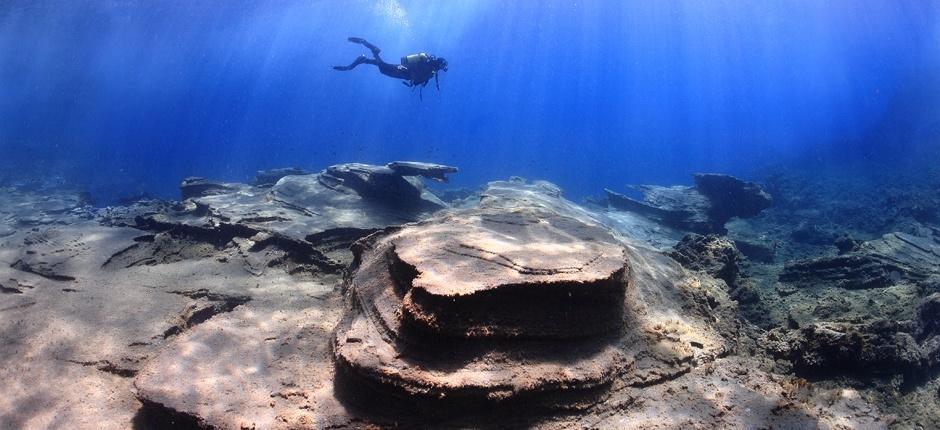
- Montaña Amarilla: this coastal hill formed by yellow volcanic ash creates a lunar underwater landscape unlike anything you have seen before. The dive can be done from shore or by sailing just one and a half miles by boat from Las Galletas. The average depth is 15 metres and the maximum is about 25 metres; currents are weak and we can find many caves and terraces where catalufas, moray eels and octopuses rest. The rock formations are covered in yellow sponges, making the feeling of being on another planet even stronger. With a bit of luck, a yellow stingray or a green turtle may cross our path!
These are just some of our favourite spots for a great day of diving in the south of the island. Would you like to discover them with us?
Canary marine biodiversity: much more than cetaceans
The Teno-Rasca Marine Strip, in the southwest of Tenerife, is a unique place in terms of marine biodiversity. As we explained earlier in one of our articles, this part of the island was recently classified as a Whale Heritage Site by the World Cetacean Alliance (WCA), due to the presence of more than one third of the cetacean species currently known worldwide. If you want to learn more about these species and how to identify them, do not hesitate to read the article published on our blog.
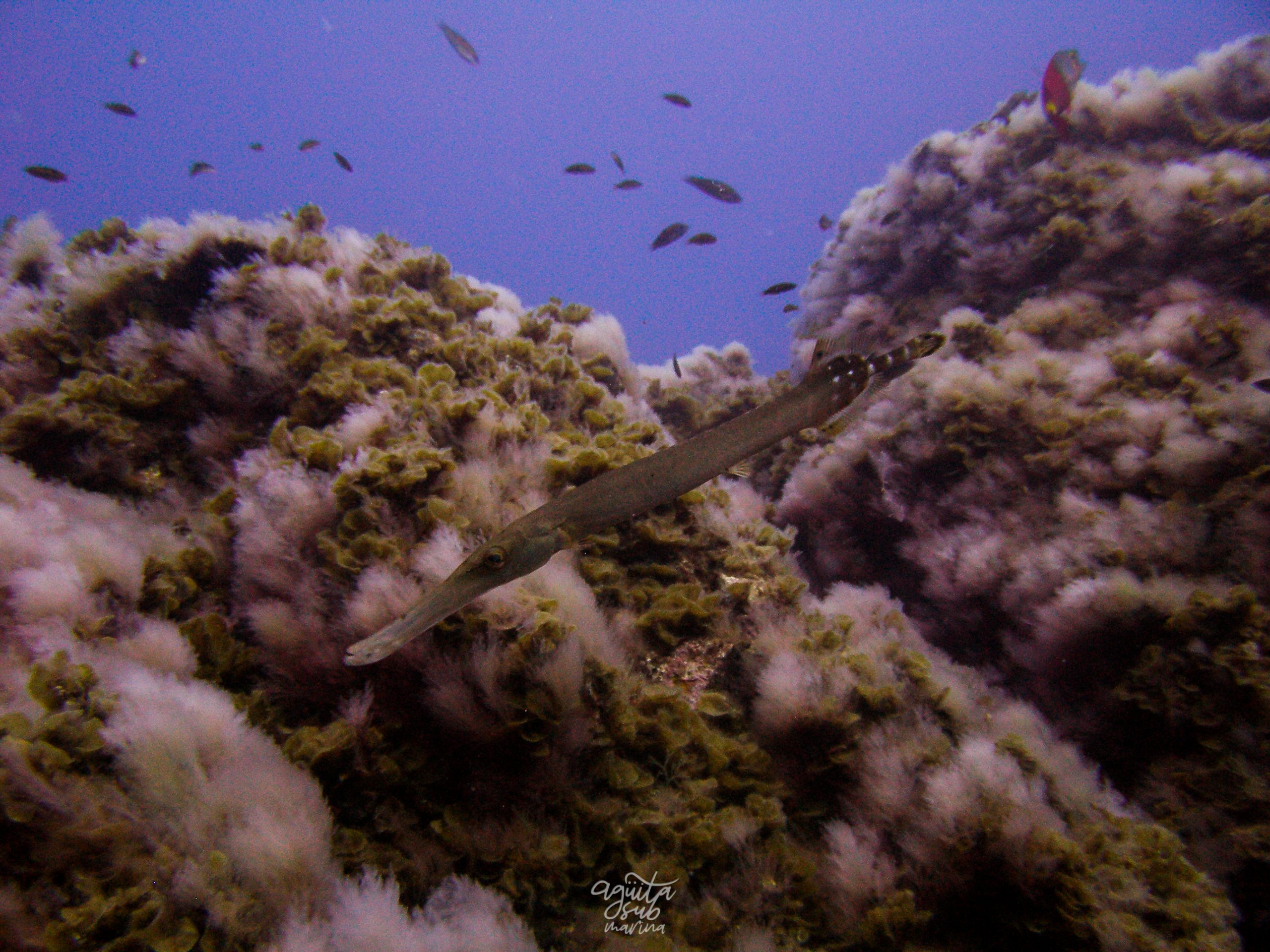
However, Tenerife’s biodiversity is not made up of cetaceans alone. This area was previously designated in 2011 as a Special Area of Conservation (SAC) by the Natura 2000 Network, because of the more than 800 species of fish, crustaceans, echinoderms, molluscs and cnidarians that can be found in its waters. The island’s location and morphology, together with its interaction with currents, cause the upwelling of deep, nutrient-rich waters, turning this area into a biodiversity oasis. Although the best-known species are fish such as the old wife, conger eel, moray eels or wreckfish, the area also includes a diversity of algae and plants, limpets, sponges, sea stars and crabs, among others. About twenty different underwater habitats have been identified, from seagrass meadows near the coast to coral and gorgonian gardens in deeper waters.
Marine birds are also well represented in the southwest of Tenerife. This area is extraordinarily important for the feeding of species such as shearwaters, petrels, storm petrels, terns, gulls and herons, which is why this space is also considered a Special Protection Area for Birds and is part of the Gomera-Teno SPA.
However, as the writer and photographer Ángel Vallecillo said in his documentary Mar de Nadie about the marine biodiversity of the Canaries, “trying to fit the sea into a screen is impossible”. For us, describing the island’s many species and seabeds in a single article is also impossible. That is why we encourage you to discover the Canarian marine treasures in person through an unforgettable diving experience with true marine biologists and diving professionals at BIOSEAN Whale Watching & Marine Science.
You can check our activities and browse more articles like this on the BIOSEAN website. Stay up to date with what is happening at sea by visiting our social media channels: Instagram (@biosean_), Facebook, YouTube and LinkedIn.
See you soon in the great blue!